
If your hot water doesn’t feel as hot as it used to, or your energy bill keeps creeping up, you’re not imagining things. One of the most overlooked causes is sediment buildup inside your water heater.
At Honey Go Fix It, we see this all the time in Dayton-area homes. As a local plumber serving the Beavercreek & Xenia areas, water heater issues are one of the most common reasons homeowners search for a reliable plumber. The good news? A little awareness now can save you money, frustration, and a cold shower later.
What Is Sediment Buildup (and Why Dayton Homes Get It) 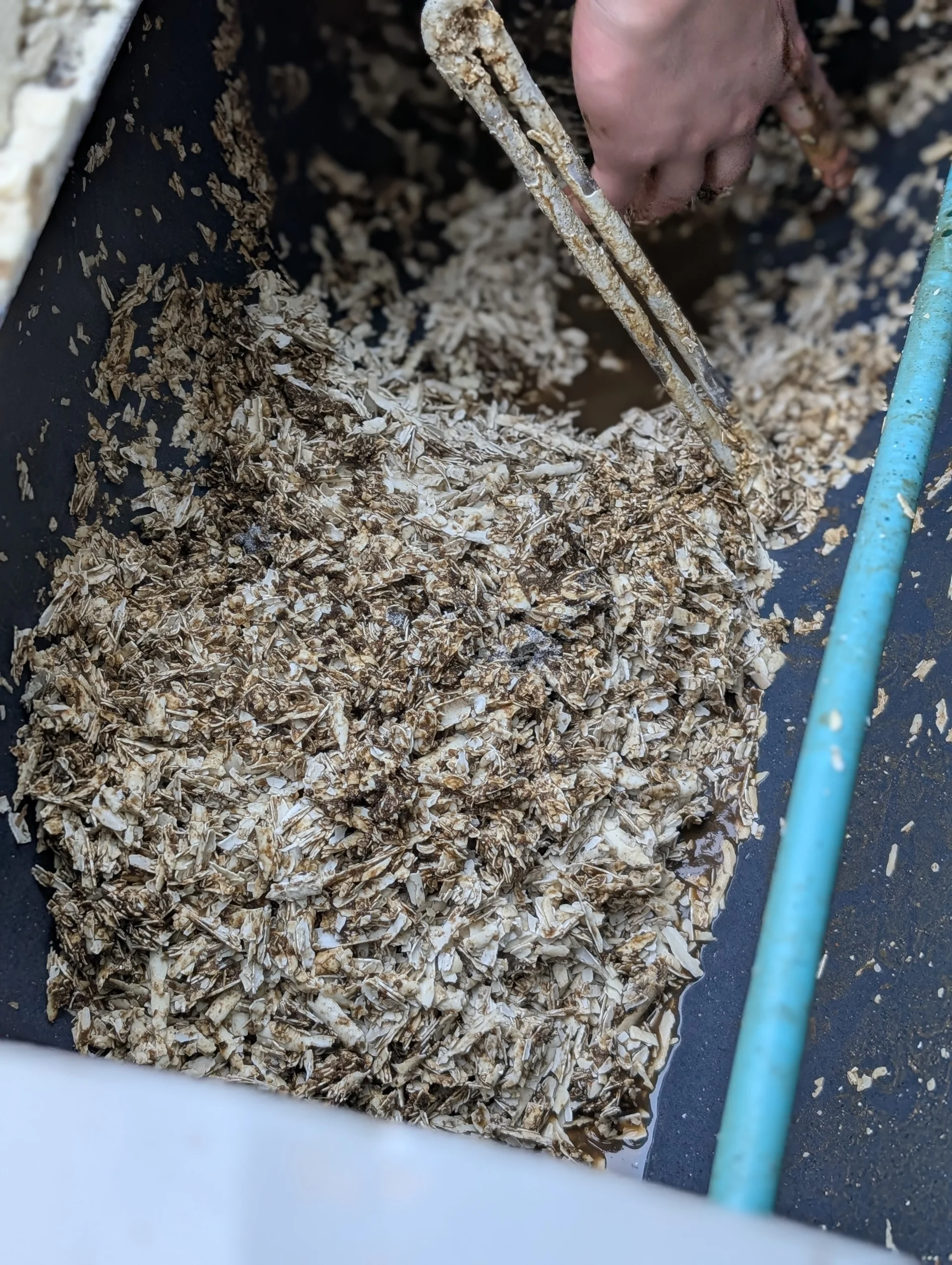
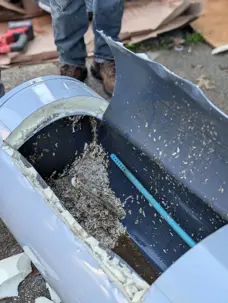
Sediment is made up of minerals like calcium and magnesium that naturally occur in our local water. When water heats up, those minerals fall out of suspension and settle at the bottom of your water heater tank.
Over time, that layer gets thicker.
This is especially common in older Dayton-area homes where water heaters may go years without maintenance.
Think of sediment like scale in a tea kettle but hidden, heavier, and much more expensive.
How Sediment Affects Your Hot Water
Sediment doesn’t just sit there quietly. It causes real, noticeable problems.
Here’s what homeowners often experience first:
- Hot water runs out faster than it used to
- Water temperature feels inconsistent
- You hear popping or rumbling sounds from the tank
- Hot water looks cloudy or smells metallic
That sediment layer creates a barrier between the burner or heating elements and the water. Your heater has to use more energy to heat the same amount of water, and it still delivers worse results. 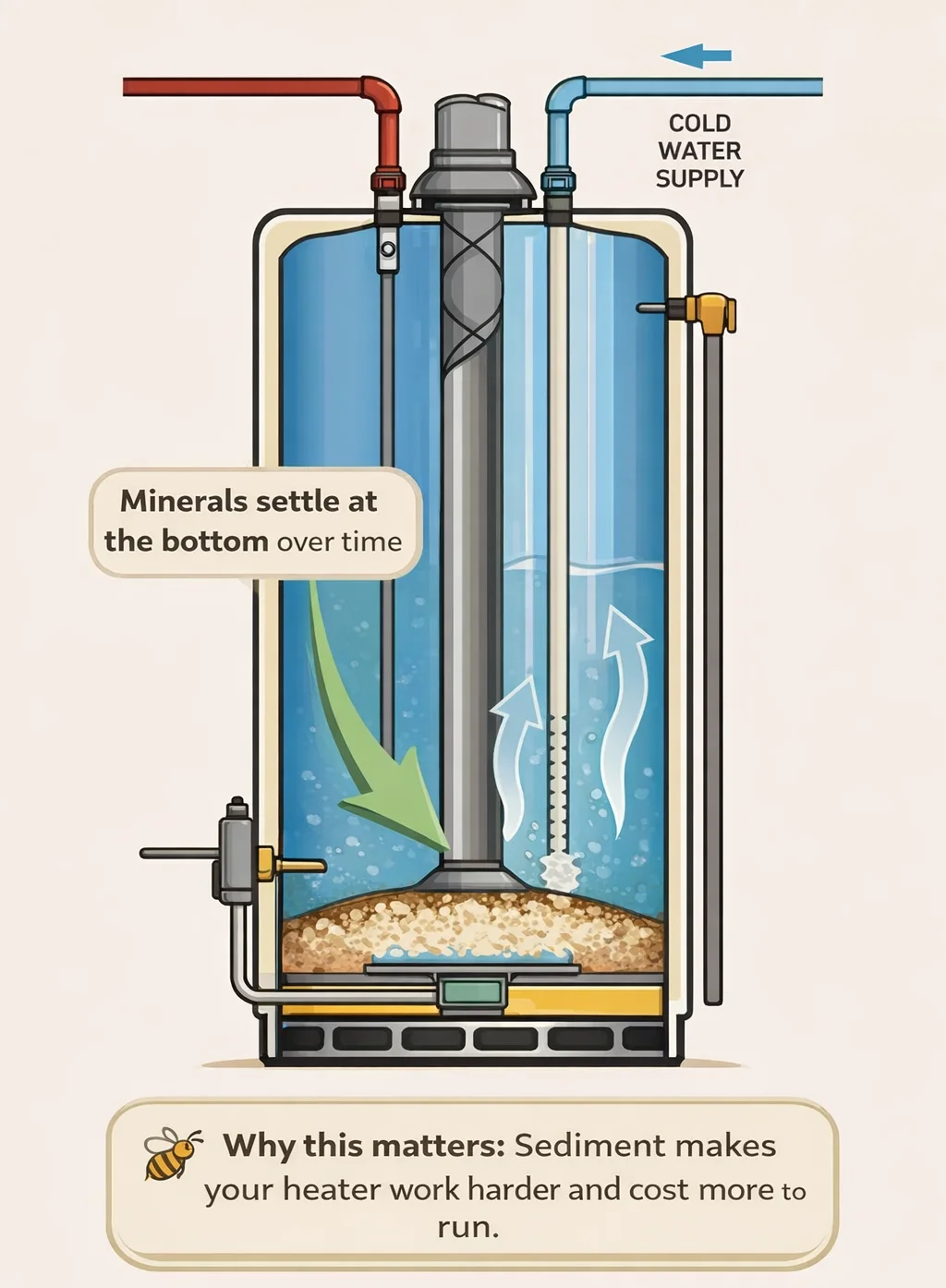
Future you does not enjoy surprise cold showers.
The Hidden Impact on Energy Bills
This is where sediment really gets sneaky.
When your water heater has to fight through sediment:
- Gas heaters burn longer to heat the water
- Electric heaters draw more power than necessary
- Heating cycles run more often
All of that shows up on your energy bill.
Many Dayton homeowners assume rising utility costs are “just how it is now.” But we’ve seen sediment removal alone lower energy usage noticeably without changing habits or fixtures.
Small fix. Real savings.
What Happens If You Ignore Sediment Too Long
Sediment doesn’t just affect comfort and bills. It shortens the life of your water heater.
Left unchecked, it can:
- Overheat the bottom of the tank
- Crack internal glass lining
- Burn out heating elements
- Cause premature tank failure
Replacing a water heater years earlier than expected is not a fun expense. Especially when simple maintenance could have delayed it.
Simple Steps Homeowners Can Take (Easy Wins)
You don’t need to be a plumber to protect your water heater, but you do need to be proactive.
Here are smart, doable habits:
- Pay attention to noise. Popping or rumbling is a warning sign.
- Notice hot water changes. Shorter showers or lukewarm water matter.
- Schedule a periodic flush. Most tanks benefit from flushing every 1–2 years. In Xenia, where we have hard water, we recommend a flush every 6 months if you do not have a water softener.
- Check your home’s water hardness. Harder water means faster sediment buildup. Installing a water softener can extend the life of your water heater.
If your heater is older than 6–7 years, these steps matter even more.
When to Call a Licensed Plumber (and Why)
Some homeowners try to flush their own water heater and sometimes that’s fine. But there are moments when calling a licensed plumber is the safer move, especially if you’re looking for reliable water heater service from a local professional.
It’s smart to call us if:
- The heater hasn’t been flushed in several years
- You hear loud banging or rumbling
- The drain valve is stuck or leaking
- You’re not sure how old the unit is
Improper flushing can stir up sediment and clog valves or cause leaks. A licensed plumber knows how to do it safely and spot early warning signs before they turn into emergencies.
A Quick Local Example
We also see this with both traditional and tankless systems. Homes with tankless water heater installations still deal with mineral buildup; it just shows up inside heat exchangers instead of tanks.
Last winter, we helped a family in Xenia who thought their water heater was “just getting old.” Their gas bill had jumped, and hot water barely lasted through one shower.
We flushed the tank and removed years of compacted sediment. The heater ran quieter immediately. Their hot water improved the same day and their next utility bill dropped.
No replacement needed. Just maintenance.
Why Prevention Matters More Than Repairs
Water heaters don’t usually fail without warning. They give small signals first: noise, inefficiency, inconsistency.
Catching sediment buildup early:
- Saves money on energy bills
- Extends the life of your heater
- Reduces surprise breakdowns
- Protects your home from water damage
That’s the kind of prevention your future self will absolutely appreciate.
Ready for Peace of Mind?
If you’re unsure whether sediment is affecting your hot water or you just want a second opinion, we’re happy to help.
Whether you need water heater service, tankless water heater repair, or you’re simply searching for a trusted plumber in the Dayton area, Honey Go Fix It is here to make things easy.
Call Honey Go Fix It, schedule an inspection, or ask a question if you’re unsure. No pressure. Just clear answers from a local team that wants your home running smoothly.
Because comfort should be predictable and plumbing surprises shouldn’t be.