If you’ve ever woken up on a cold Dayton morning to no water at the sink, your stomach probably dropped. Frozen pipes feel like they come out of nowhere and the damage can be fast and expensive.
At Honey Go Fix It, we help homeowners understand why pipes freeze, where it happens most, and the small habits that keep winter from turning into a plumbing emergency.
Frozen Pipes Aren’t Just an Outdoor Problem
Most people picture frozen pipes in crawl spaces or along outside walls. That does happen. But many frozen pipes in Dayton homes freeze inside heated spaces.
Here’s why.
Pipes freeze when the water inside drops below 32°F. That can happen anywhere cold air sneaks in or warm air can’t reach. Even if your thermostat says 70°.
Common indoor freeze spots we see every winter:
- Pipes inside exterior walls
- Plumbing under kitchen or bathroom cabinets
- Pipes above garages
- Basement ceiling lines near rim joists
- Laundry rooms on outside walls
- Unfinished utility spaces
These areas often get colder than the rest of the house without homeowners realizing it.
What happens if it’s ignored:
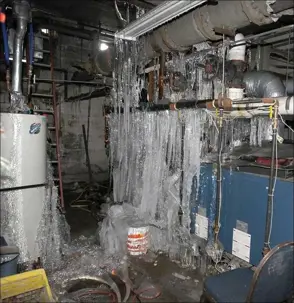
Frozen water expands. Pipes crack. When they thaw, water sprays fast—behind walls, under floors, or into finished basements.
Simple prevention you can do today:
- Open cabinet doors during cold snaps to let warm air reach pipes
- Keep interior doors open so heat circulates
- Set the thermostat consistently, even overnight
If your home has older plumbing or known cold spots, a licensed plumber can help identify freeze-risk areas before winter hits.
The Quiet Drafts That Freeze Pipes Overnight
One of the biggest surprises for homeowners is how little cold air it takes to freeze a pipe.
A pencil-sized gap can drop pipe temperatures quickly.
Common draft sources we find in Dayton homes:
- Gaps around hose bibs
- Poorly sealed rim joists
- Old dryer vents
- Gaps where pipes enter the house
- Unsealed attic or basement penetrations
You don’t feel these drafts walking around the house. But your pipes feel them all night long.
What happens if it’s ignored:
Pipes freeze repeatedly in the same spot every winter. Cracks get worse. Repairs get bigger.
Easy homeowner checks:
- Feel around pipes for cold air during freezing weather
- Look for daylight near basement rims or garage ceilings
- Seal small gaps with foam or caulk
When gaps are large or near critical plumbing lines, it’s smart to have a plumber coordinate repairs with proper insulation—not just stuffing insulation where it doesn’t belong.
Why “The Heat Is On” Isn’t Always Enough
We hear this all the time:
“But the heat was running.”
Heat doesn’t automatically protect pipes if it can’t reach them.
Common reasons heat doesn’t help:
- Pipes are boxed in tight walls
- Cabinets block airflow
- Insulation is missing or incorrectly installed
- Garage temperatures drop below freezing
- Basement vents are closed
In Dayton-area homes—especially those built before the 1990s—plumbing was often installed without modern freeze protection in mind.
What happens if it’s ignored:
You think you’re safe. Pipes freeze anyway. The surprise makes the damage worse.
Simple habits that help:
- Leave cabinet doors open during extreme cold
- Keep garage doors closed overnight
- Don’t shut basement vents in winter
- Maintain steady heat instead of big temperature swings
If freezing keeps happening in the same area, a plumber can recommend insulation upgrades or pipe rerouting that actually fix the problem.
Water Flow (or Lack of It) Matters More Than You Think
Standing water freezes faster than moving water.
That’s why slow-dripping faucets help during extreme cold—but only when done correctly.
Pipes freeze faster when:
- Water isn’t used overnight
- Pipes serve rarely used fixtures
- Vacation homes sit empty
- Laundry rooms or spare bathrooms go unused
What happens if it’s ignored:
The coldest part of the pipe freezes first. Pressure builds. Cracks form out of sight.
Smart ways to use water as protection:
- Let vulnerable faucets drip slightly during deep freezes
- Run water briefly before bed and in the morning
- Keep unused bathrooms slightly active during cold weeks
Dripping isn’t a long-term fix. If you rely on it every winter, it’s time to have the plumbing evaluated.
A Real Dayton Story We See Every Winter
Last January, we helped a homeowner in Kettering who had just remodeled their kitchen. Everything looked perfect.
Except the pipes.
The kitchen sink was on an exterior wall. New cabinets sealed everything tightly. No warm air could reach the plumbing.
During a cold snap, the pipes froze overnight. They thawed while the family was at work.
Water ran behind the cabinets for hours.
The repair involved cabinet removal, drywall replacement, and plumbing updates. All from a freeze that could have been prevented with airflow and insulation planning.
This story isn’t rare. We see versions of it across Dayton, Centerville, Beavercreek, and Springboro every winter.
When DIY Prevention Is Enough—and When It’s Not
Some freeze prevention is easy. Some needs a pro.
DIY-friendly steps:
- Opening cabinets during cold weather
- Keeping steady indoor heat
- Sealing small drafts
- Letting vulnerable faucets drip
- Keeping garage doors closed
Call a licensed plumber when:
- Pipes freeze repeatedly in the same spot
- You’ve had a previous freeze or burst
- Pipes are located in walls or ceilings
- You’re unsure which pipes are vulnerable
- You’re renovating or remodeling
A professional inspection can spot freeze risks before they become emergencies—and save thousands in repairs.
The Best Time to Fix Freeze Risks Is Before They Freeze
Frozen pipes don’t usually give warnings. They give consequences.
The good news? Most freeze-related plumbing damage is preventable with:
- Awareness of risk areas
- Simple airflow and heat habits
- Smart insulation
- Early inspections
At Honey Go Fix It, we believe prevention beats panic every time.
If you’re unsure whether your home has freeze risks, or if you’ve had frozen pipes before, we’re happy to help.
Call us. Schedule an inspection. Or ask a question.
Future you will be very glad you did.