
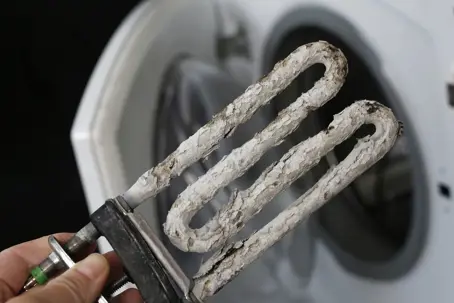
The quiet buildup that shortens your water heater’s life
If your hot water doesn’t feel as hot as it used to, takes longer to recover, or makes popping or rumbling sounds, your water heater may be telling you something. Sediment buildup is common in Dayton-area homes, and it starts quietly.
At Honey Go Fix It, we see this all the time. The good news? A simple habit can prevent expensive surprises later.
How often should a water heater be flushed?
For most Dayton homes: once a year.
That annual flush clears out sediment that settles at the bottom of the tank. Over time, minerals in our local water separate and harden. Left alone, they act like insulation between the burner and the water.
Here’s what that causes:
- Higher energy bills
- Slower hot water recovery
- Loud banging or popping noises
- Early tank failure
If you have very hard water, which is common in Greene County, specifically Xenia and Beavercreek, an older heater, or a large household using lots of hot water, flushing every 6–9 months can be even better.
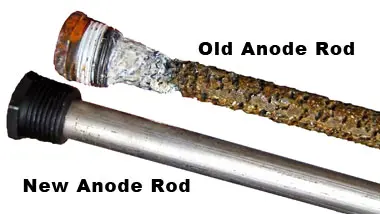
What happens if you skip flushing?
Skipping this maintenance doesn’t usually cause instant failure. That’s what makes it tricky. The damage builds slowly.
Sediment causes:
- Overheating: The heater works harder to heat water through mineral buildup.
- Tank stress: Extra heat weakens the tank lining over time.
- Reduced capacity: Less usable hot water for showers, dishes, and laundry.
Eventually, this can lead to leaks or full replacement years earlier than expected.
Future-you would rather flush than replace.
Can homeowners flush a water heater themselves?
Sometimes, yes. But it depends on comfort level and the condition of the heater.
If you’re handy and your heater is newer, a basic flush can be doable:
- Turn off power or gas
- Shut off cold water supply
- Attach a hose to the drain valve
- Drain until water runs clear
- Refill and restore power
Stop and call a plumber if:
- The drain valve won’t open
- Water comes out rusty or cloudy and won’t clear
- You hear loud noises after refilling
- The heater hasn’t been flushed in years
For older tanks, forcing a stuck valve or disturbing heavy sediment can cause leaks. That’s when professional flushing is safer.
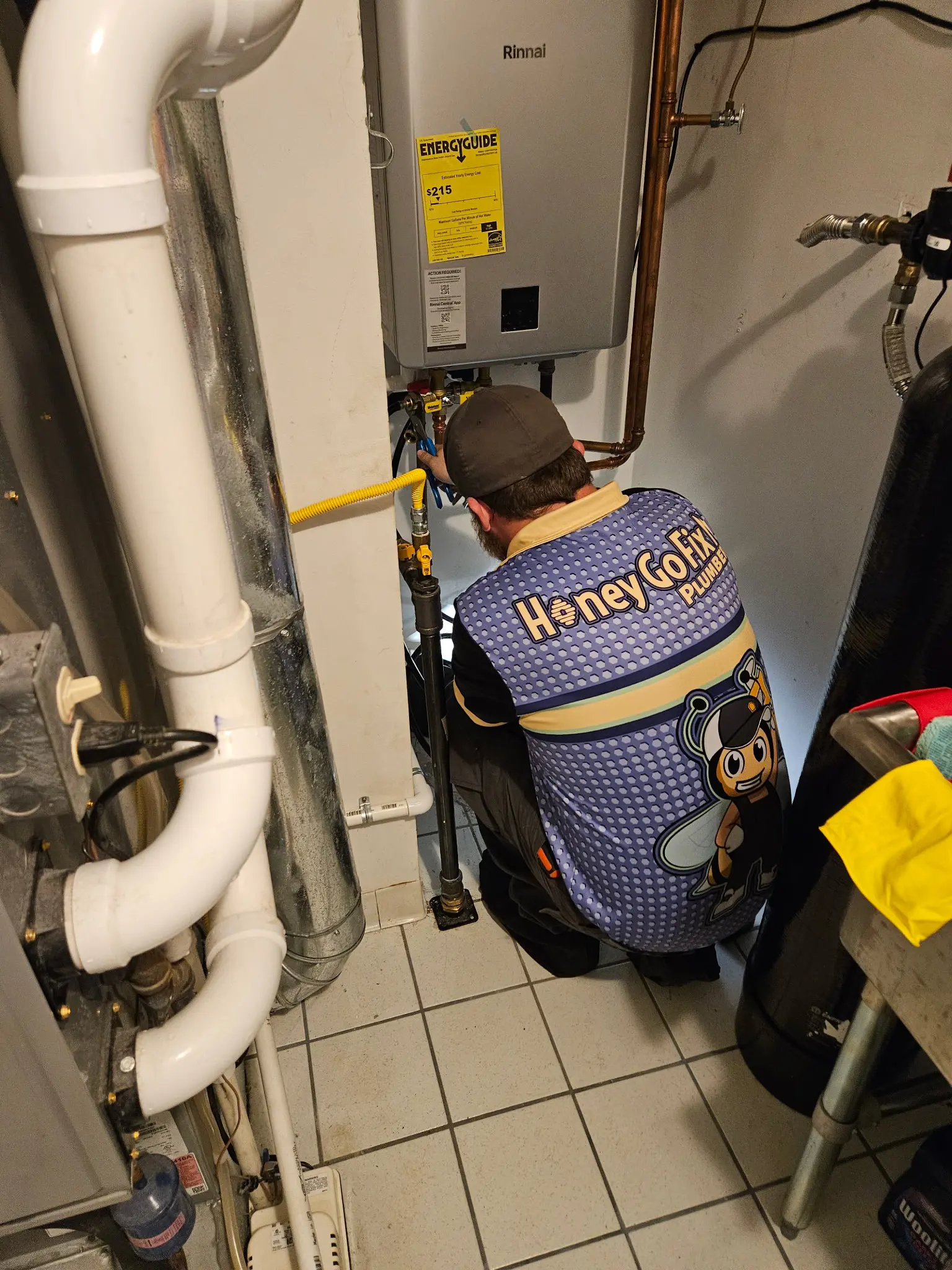 Tankless water heaters are different
Tankless systems don’t store water, but they still need flushing. In fact, they’re more sensitive to mineral buildup.
Most tankless manufacturers recommend:
- Descaling once a year
- Every 6 months if you have hard water
Skipping this can clog the heat exchanger, reduce efficiency, and void warranties.
A quick Dayton-area example
Last winter, we helped a family in Kettering who noticed their hot water running out faster than usual. Their heater was only 8 years old, but it had never been flushed.
When we drained it, the sediment looked like wet sand. After a professional flush, their hot water improved immediately and the heater ran quieter. That one service likely added years to its life.
That’s the power of small, preventive habits.
When it’s smart to call a licensed plumber
Calling a pro makes sense when:
- The heater is over 5 years old and never flushed
- You’re unsure how to shut off gas or power safely
- You want the anode rod checked at the same time
- You want peace of mind everything is working correctly
A professional flush is quick, clean, and far less expensive than emergency replacement.
The simple takeaway
Flushing your water heater:
- Costs little
- Takes little time
- Prevents big, expensive problems
It’s one of those maintenance tasks that doesn’t feel urgent—until it suddenly is.
If you’re unsure when your water heater was last flushed, or if you’d rather have it done right the first time, we’re happy to help.
Ready for peace of mind?
Call Honey Go Fix It, schedule a water heater check, or ask us a question. We’re here to help Dayton homeowners stay comfortable and avoid costly surprises—one smart habit at a time.