
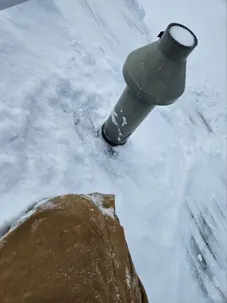
If your drains start acting strange right after a snowstorm, you’re not imagining it. Slow sinks, gurgling toilets, and sewer smells are common winter complaints we hear from Dayton-area homeowners.
The surprising cause? A blocked roof drain vent. At Honey Go Fix It, we see this every winter—and catching it early can save you from messy backups and emergency calls.
What a Roof Drain Vent Does (In Plain English)
Your plumbing system needs air to work properly. That’s the job of the drain vent.
Roof drain vents:
- Let sewer gases escape safely outside
- Balance air pressure in your pipes
- Allow water to drain smoothly
These vents usually exit through the roof. During Dayton snowstorms, that makes them easy targets for snow and ice buildup.
When the vent is blocked, your plumbing can’t breathe. Water slows down. Pressure builds up. And drains start telling you something’s wrong.
How Snowstorms Block Drain Vents
It doesn’t take a blizzard to cause problems.
Common winter drain vent issues include:
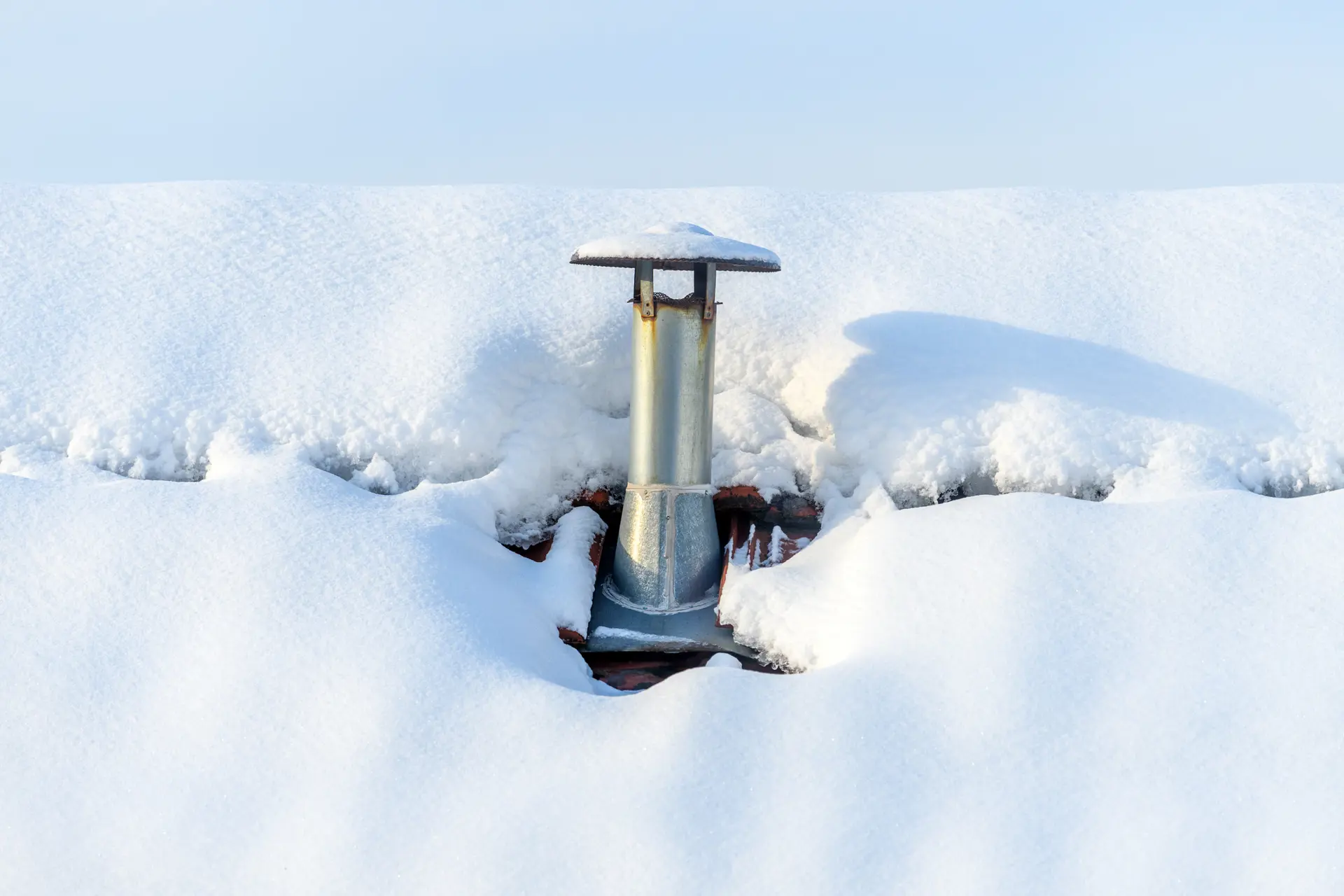
- Heavy snowfall covering shorter vent pipes
- Snow drifts forming around roof peaks and valleys
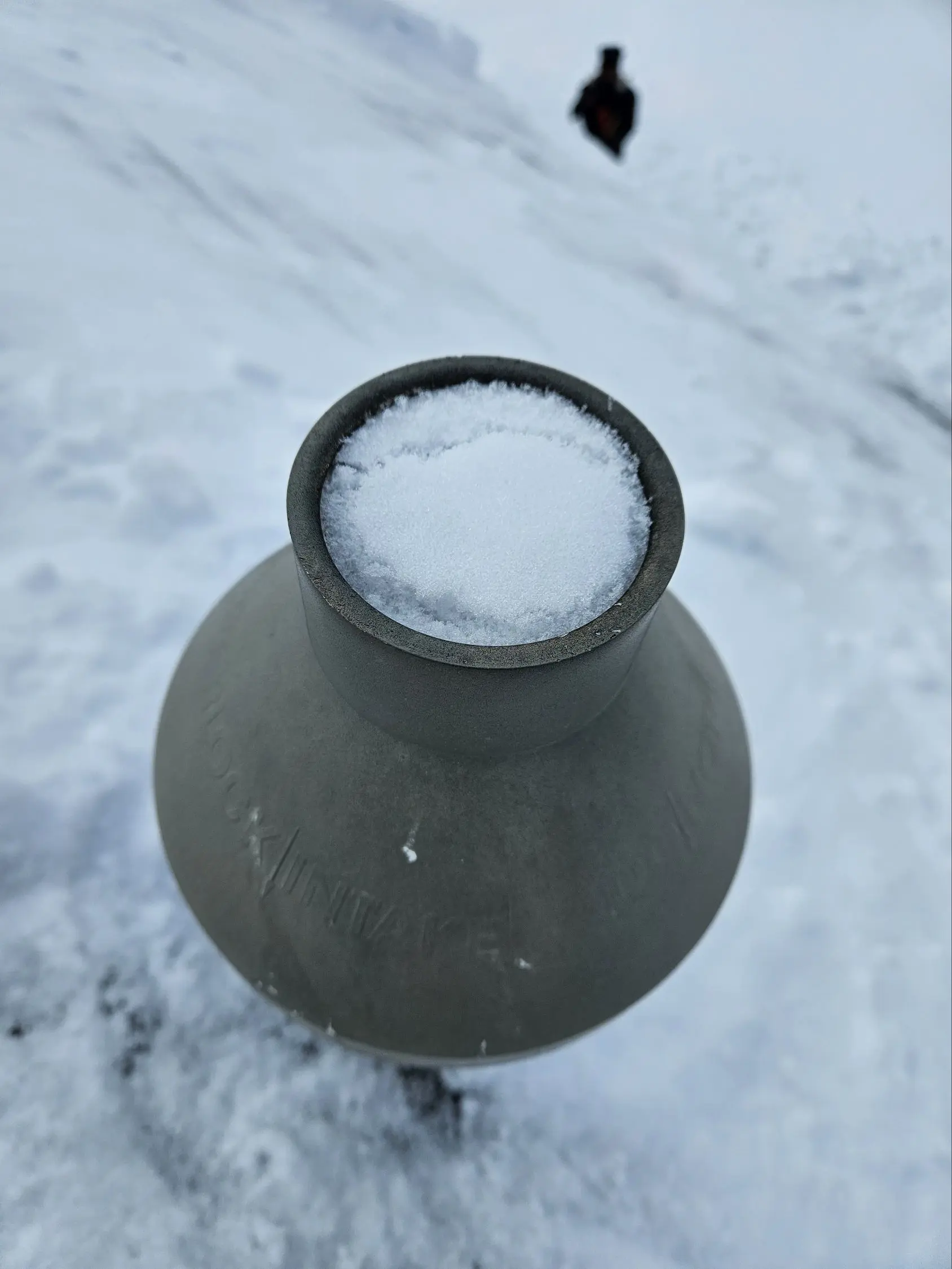
- Ice buildup inside the vent as warm air meets freezing temperatures
Older homes in Kettering, Riverside, Xenia, and Miamisburg often have vent pipes that sit lower on the roofline. After a few storms, those vents can end up buried without anyone noticing.
 Warning Signs Your Drain Vent May Be Blocked
Blocked vents don’t always cause instant disasters. The signs usually show up gradually, often right after a storm.
Watch for:
- Slow drains in multiple fixtures
- Gurgling sounds from toilets or sinks
- Sewer or rotten-egg smells indoors
- Toilets that bubble or flush weakly
- Water backing up when another drain is used
If several of these happen at once after snowfall, the vent, not the drain, is often the real issue.
What Happens If You Ignore It
A blocked drain vent doesn’t fix itself.
Left alone, it can lead to:
- Repeated drain backups
- Sewer gas entering your home
- Extra stress on pipes and seals
- Water damage in bathrooms or basements
- Emergency plumbing calls during freezing weather
This is one of those problems where a small winter fix can prevent a big, expensive cleanup later.
Simple, Safe Things Homeowners Can Do
You don’t need to climb on your roof to be proactive.
Easy winter habits that help:
- Notice timing: If drain problems start right after a snowstorm, think vent—not clog.
- Clear visible snow safely: From the ground, remove heavy snow near roof edges when possible.
- Pay attention to smells and sounds: New gurgling or sewer odors are early warning signs.
- Limit drain strain: Avoid running multiple fixtures at once if drains are acting slow.
What not to do:
- Don’t pour chemicals down drains
- Don’t try to snake every fixture
- Don’t climb icy roofs
Safety always comes first.
When It’s Smart to Call a Licensed Plumber
Drain vent issues often look like clogs—but they aren’t.
Call a professional if:
- Multiple drains are slow or backing up
- Sewer smells last more than a day
- Problems return after every snowstorm
- You’re unsure where the vent is located
A licensed plumber can:
- Inspect roof venting safely
- Clear snow or ice blockages properly
- Extend vent pipes if needed
- Prevent repeat winter issues
 A Realistic Dayton-Area Example
Last winter, a homeowner in Springboro called us after every bathroom drain slowed following the 2026 snowstorm.
They had already tried plunging and drain cleaners with no luck. The real issue? Snow drifts were repeatedly covering a short roof vent near the ridgeline.
Once we cleared the vent and extended it, the drains returned to normal—and stayed that way all winter.
Why This Matters in Dayton Winters
Dayton’s freeze–thaw cycles make roof vent blockages more common than many homeowners expect.
Staying ahead of drain vent issues:
- Reduces winter plumbing emergencies
- Protects indoor air quality
- Prevents messy backups
- Keeps your plumbing working smoothly
A little awareness now can save a lot of stress later.
Need a Second Set of Eyes? We’re Happy to Help
If your drains are acting up after a snowstorm and you’re not sure why, Honey Go Fix It is here to help Dayton-area homeowners.
We focus on prevention, clear answers, and peace of mind.
Give us a call, schedule an inspection, or ask a question. Sometimes the simplest fix makes the biggest difference.