
.jpg.2601130822138.webp)
If a pipe suddenly bursts or a water heater fails, every second matters.
But in many Dayton-area homes—including Xenia, Beavercreek, and Kettering—the biggest delay isn’t the leak itself—it’s not knowing how to shut the water off.
This is one of those simple things that feels unimportant… until it really, really isn’t. The good news? Finding and testing your main water shut-off is easier than most people think—and future you will be very grateful you did it.
 Why your main water shut-off matters more than you think
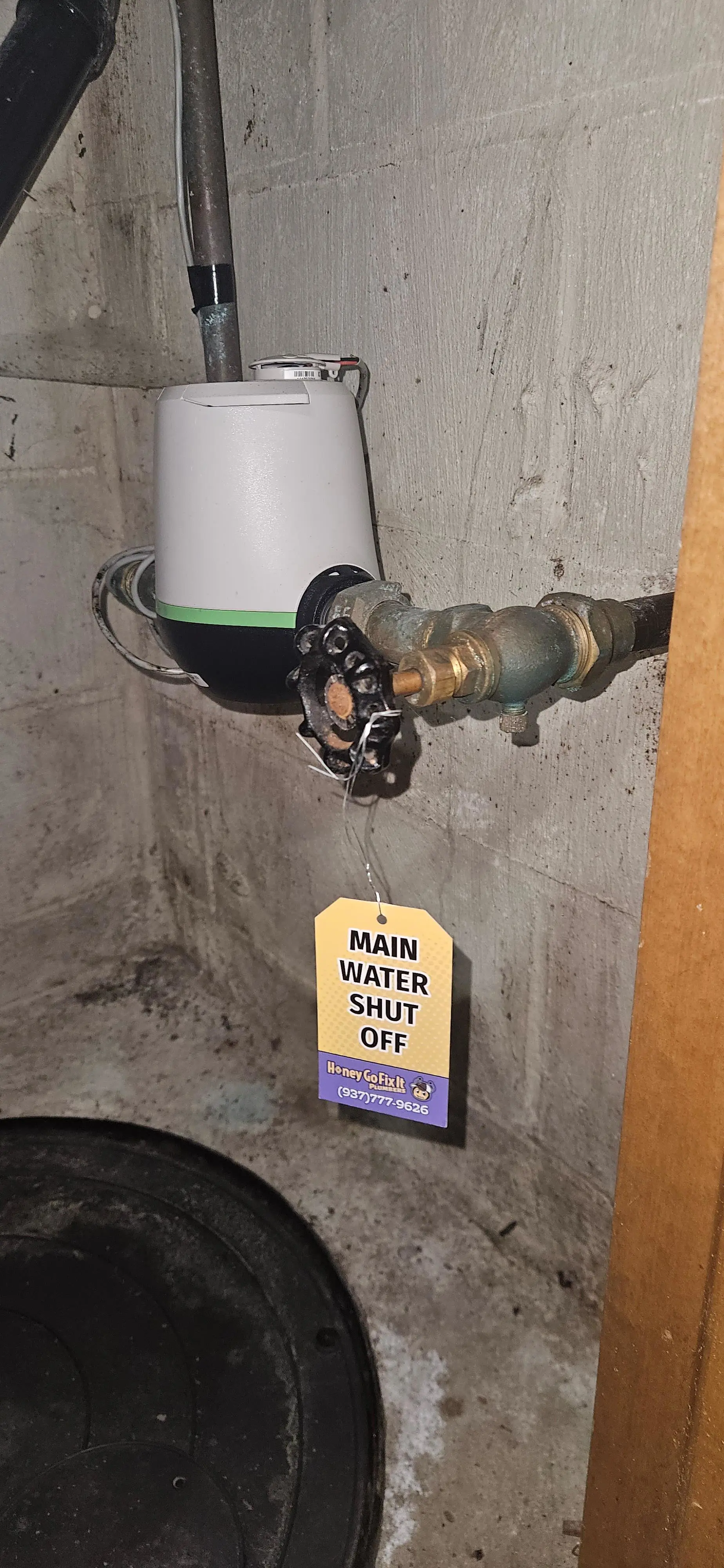
Your main water shut-off controls all the water coming into your home.
If something goes wrong—a burst pipe, a washing machine hose failure, a leaking water heater—this is the fastest way to stop damage from spreading.
Here’s what we see when homeowners don’t know where it is:
- Water keeps running while they search
- Damage spreads to floors, walls, and finished basements
- Insurance claims get bigger and messier
- Cleanup takes weeks instead of days
Knowing where your shut-off is (and making sure it works) can be the difference between a minor repair and a full-blown renovation.
Where to find your main water shut-off in a Dayton-area home (Xenia, Beavercreek, and Kettering included)
Most homes in the Dayton area—including neighborhoods in Xenia, Beavercreek, and Kettering—follow a few common patterns.
Start by checking these spots:
- Basement: Look along the wall facing the street, usually near where the water line enters the home
- Crawl space: Near the front foundation wall
- Utility room: Close to the water heater or furnace
- Older homes: Sometimes near the floor drain or laundry area
You’re looking for a valve on a pipe that’s larger than your other water lines.
Common types you’ll see:
- Ball valve: A lever handle. Parallel to the pipe means ON. Perpendicular means OFF.
- Gate valve: A round wheel you turn multiple times to close.
If you see more than one valve, the main shut-off will be the first one after the water enters the house.
How to safely test your shut-off valve (step by step)
Finding the valve is only half the job. You also want to know it actually works.
Here’s a safe way to test it:
- Tell everyone in the house you’re testing the water (no showers or laundry for a few minutes).
- Turn the valve slowly clockwise (or rotate the lever) until it stops. Don’t force it.
- Turn on a faucet at the lowest level of the house.
- Watch the flow. The water should slow, then stop completely.
- Turn the valve back on slowly once you’re done.
If the water never fully stops, or the valve feels stuck, that’s important information.
Warning signs your shut-off valve needs professional help
Some valves haven’t been touched in decades.
Call a licensed plumber if:
- The valve won’t turn at all
- Water leaks around the handle when you touch it
- The valve turns but doesn’t stop the water
- You have an old gate valve that feels fragile
Trying to force a failing valve can cause it to break—sometimes turning a small problem into an emergency.
This is one of those moments where calling a pro before something goes wrong saves stress and money.
A quick Dayton example we see all the time
We recently helped a family in Kettering who had a washing machine hose fail late at night.
They knew exactly where their main shut-off was and turned it off within seconds.
The result?
- Minimal water damage
- No soaked basement carpet
- A straightforward repair the next morning
Same problem, different outcome than the homes where water runs unchecked for 20 minutes.
Simple habits that make emergencies easier
Once you’ve found and tested your shut-off, take these small extra steps:
- Make sure it’s clearly visible (not buried behind storage)
- Show everyone in the household where it is
- Test it once a year
- Consider labeling it
These are five-minute habits that pay off for years.
 When it’s smart to call Honey Go Fix It
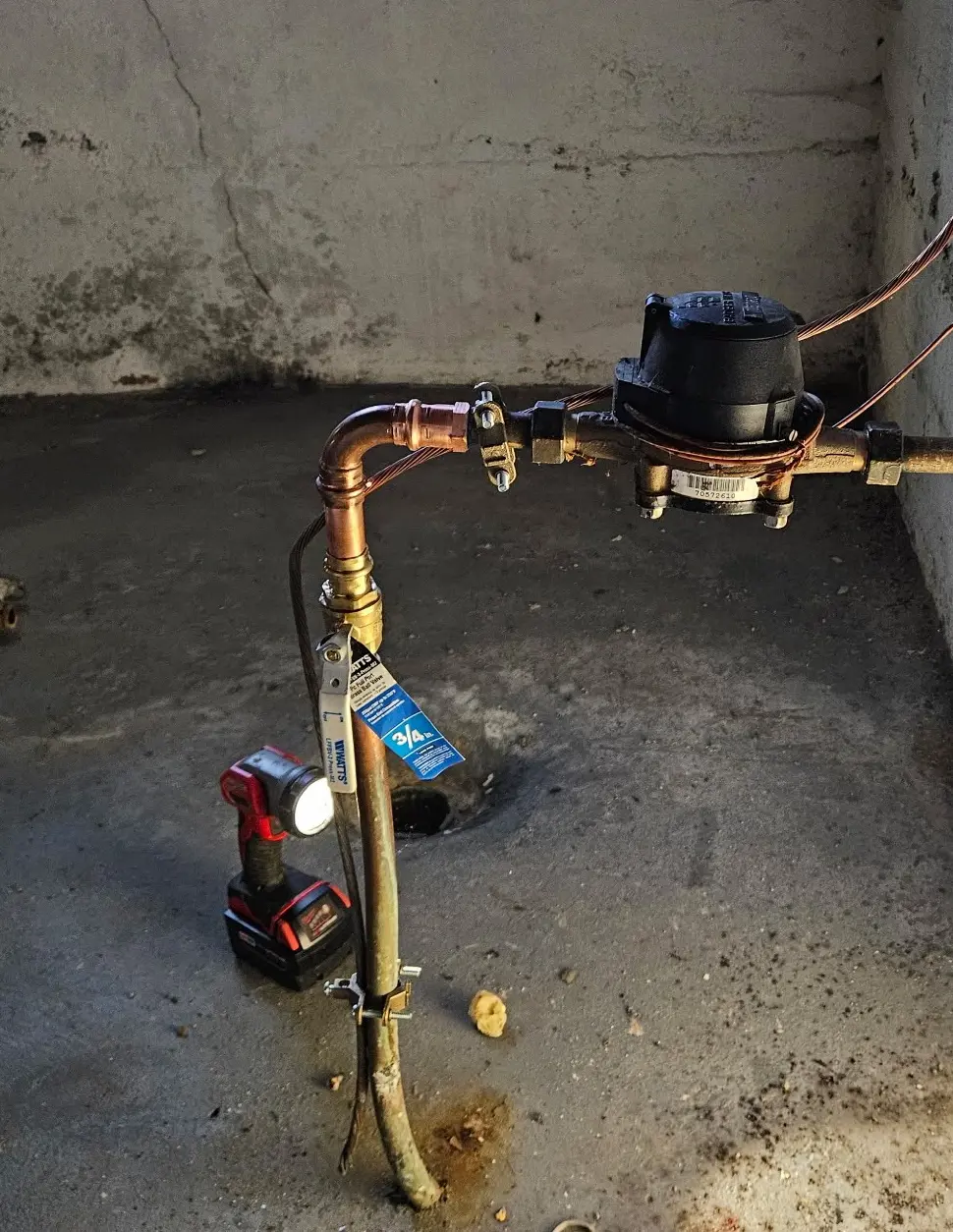
If your shut-off valve is hard to reach, outdated, or not working properly, we can help.
We’ll:
- Confirm your shut-off location
- Replace failing or outdated valves
- Make sure everything works smoothly
- Give you peace of mind before an emergency happens
No pressure. No scare tactics. Just clear answers and the right fix.
A calm next step
If you’re not sure where your main water shut-off is—or you found it and didn’t love what you saw—reach out to us.
At Honey Go Fix It, we help Dayton-area homeowners—including those in Xenia, Beavercreek, and Kettering—prevent problems before they turn into expensive surprises.
Call us, schedule an inspection, or ask a quick question. We’re happy to help.
Service That’s Sweet. Always.