
Winter in the Dayton area has a way of sneaking up on your plumbing. One hard freeze is all it takes for a quiet pipe to ice over, crack, and flood a basement before breakfast. We see the same trouble spots every winter, especially in homes with basements, crawl spaces, garages, or additions.
Here’s why it happens. Dayton winters swing fast from mild days to freezing nights. When water inside a pipe freezes, it expands and puts pressure on the pipe until it splits. The real damage often shows up later, when the ice melts and water starts flowing where it shouldn’t.
A single frozen pipe can lead to flooded basements or crawl spaces, damaged drywall and flooring, mold weeks later, and emergency repair bills at the worst possible time. Knowing which pipes freeze first and how to protect them is one of the easiest ways to avoid all of that.
The Pipes That Freeze First in Dayton Homes
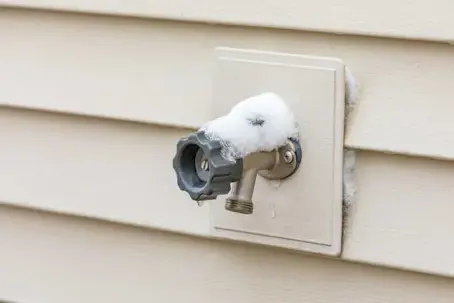
1. Exterior Hose Bibs and Outdoor Faucets
These are the number one freezing culprit we see every winter.
Outdoor faucets are directly exposed to cold air. If a hose is still attached, water gets trapped inside and freezes fast.
What homeowners can do:
Disconnect hoses every fall
Install insulated hose bib covers
Shut off the interior valve if your home has one
Drain the line after shutting it off
When to call a plumber:
If the faucet drips only in winter
If water leaks inside when you turn it on in spring
If you’re not sure where the shutoff is
A small drip here can mean a cracked pipe inside the wall.
2. Pipes Along Exterior Walls
Many Dayton homes have plumbing routed through exterior walls, especially kitchens, bathrooms, and laundry rooms.
These pipes freeze because:
Insulation is thin or missing
Cabinets block warm air
North-facing walls stay colder longer
Simple prevention steps:
Open cabinet doors on very cold nights
Keep indoor temps consistent day and night
Seal air leaks near pipes
Add pipe insulation sleeves
Call a pro if:
Pipes freeze repeatedly in the same spot
You notice frost on pipes
Walls feel unusually cold or damp
Recurring freezes usually mean insulation or layout issues that need a permanent fix.
3. Basement and Crawl Space Plumbing
Basements in Dayton stay cool, and crawl spaces can get downright cold. Pipes near foundation walls or vents are especially vulnerable.
Warning signs:
Musty smells after cold weather
Damp spots near pipe runs
Pipes that feel icy to the touch
Easy wins:
Insulate exposed pipes
Seal crawl space vents during winter
Close foundation gaps and cracks
Keep basement heat registers open
When to bring in a plumber:
If your crawl space regularly drops below freezing
If pipes have frozen there before
If insulation is missing or damaged
Crawl space freezes are common and often overlooked until there’s a flood.
4. Pipes in Garages and Utility Rooms
Garages feel protected, but they’re often unheated. Any pipe running through a garage wall or ceiling is at risk.
This includes:
Water lines above the garage
Utility sinks
Softener or filtration lines
What helps:
Insulate exposed pipes
Keep garage doors closed
Add a small heat source during extreme cold
Seal gaps where cold air enters
Call a plumber if:
Pipes run above finished garage ceilings
You’re unsure where the water lines travel
Freezing has happened before
Hidden garage pipes can burst without warning.
5. Pipes in Additions and Sunrooms
Home additions are a sneaky risk. Many weren’t built with winter plumbing in mind.
Common problems:
Thin walls or floors
Long pipe runs
Inconsistent heating
Prevention steps:
Keep heat running, even overnight
Insulate pipes under floors
Check access panels for drafts
If the addition loses heat quickly or has frozen pipes before, a licensed plumber can reroute or better protect those lines.
A Real Dayton Example We See Every Winter
Last January, a family in Kettering woke up to no water in their kitchen sink. Overnight temps dipped into the single digits. The pipe along an exterior wall froze solid.
They used a hair dryer to thaw it. Water came back. Everything seemed fine.
Two days later, the pipe split inside the wall. Water soaked the cabinets, floor, and basement ceiling below. What could have been a simple insulation fix turned into a major repair.
That’s why we always say frozen pipes are a warning sign, not a one-time event.
If You Think a Pipe Is Frozen, Here’s What to Do Next
If water suddenly stops flowing, act quickly but calmly. Start by turning off the water to that section of the house, or the main shutoff if you’re unsure. Open the affected faucet so pressure can release once the pipe starts to thaw. Use gentle heat only, like warm air from a hair dryer or wrapping the pipe with warm towels. Never use open flames or torches, as they can damage the pipe and create a serious fire risk.
If you see water stains or active leaks, if the pipe will not thaw, or if you hear water running but cannot see where it’s going, it’s time to call a plumber right away. Those are signs the pipe may already be cracked inside a wall or ceiling. Fast action in these moments can mean the difference between a small repair and major water damage.
Frozen pipes are predictable. They tend to freeze in the same places every year, and a few simple prevention steps can save thousands in repairs later.
At Honey Go Fix It, our goal is to help Dayton homeowners prevent problems and feel confident about their plumbing. If you’re not sure which pipes in your house are most at risk, we’re happy to take a look. Call us, schedule an inspection, or just ask a question. Future you will be glad you did.