
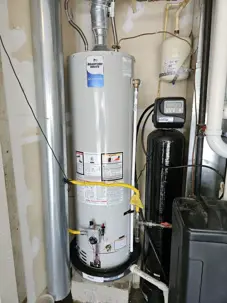
A leaking water heater is one of those home problems that feels sudden—but almost never is.
In many Dayton-area homes, the warning signs show up weeks or even months before water hits the floor. We see this often in Beavercreek, where water heaters are tucked into finished basements or utility rooms. The problem is that most people don’t know what to look for.
Let’s walk through the early clues your water heater may be failing, what you can safely check yourself, and when it’s smart to call a plumber before a small issue turns into a flooded basement.
1. Your hot water doesn’t last like it used to
If your showers are getting shorter—or you’re running out of hot water faster than normal—that’s often the first red flag.
Inside the tank, sediment (mineral buildup common in Dayton-area water) slowly settles at the bottom. Homes in Xenia are especially prone to this over time due to mineral content. Over time, that sediment takes up space meant for hot water and forces the heater to work harder.
What happens if you ignore it:
- Higher energy bills
- Extra wear on heating components
- Increased risk of overheating and tank damage
What you can do:
- Pay attention to changes in hot water duration
- Take note if the problem is getting worse month to month
When to call a pro: If flushing the tank hasn’t been done in years—or you’re not sure it ever has—it’s best to have it inspected rather than guessing.
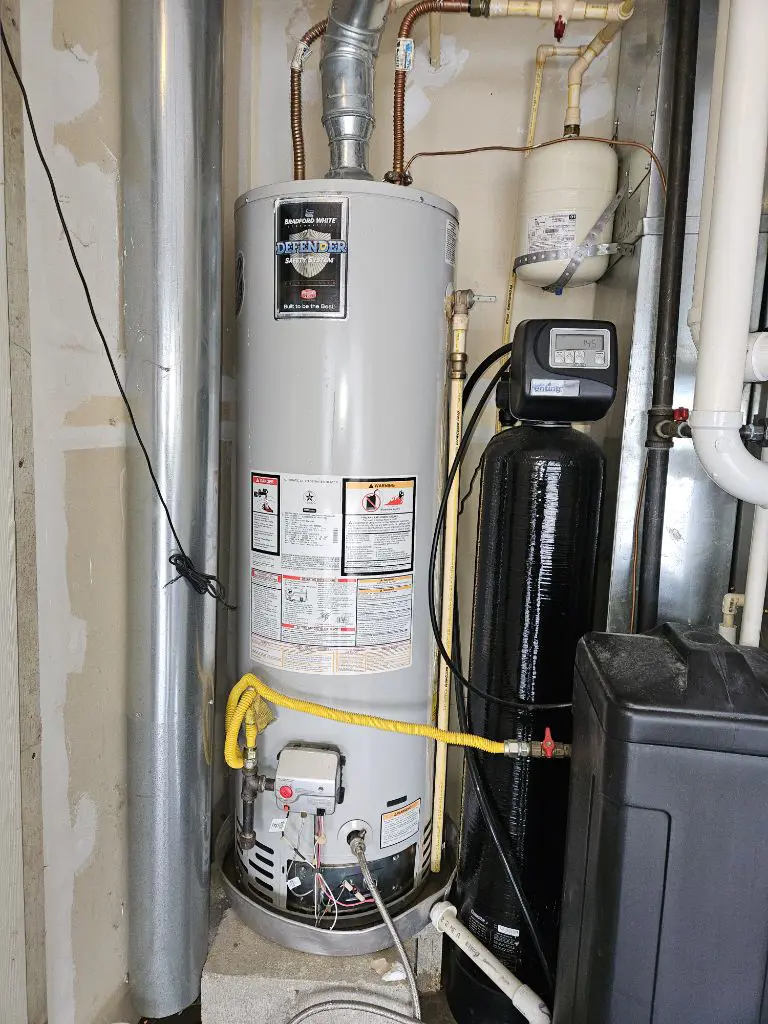 2. You hear popping, cracking, or rumbling noises
A healthy water heater is pretty quiet.
Popping or rumbling sounds usually mean sediment has hardened inside the tank. As water heats, it bubbles through that buildup, creating noise.
Why this matters:
- The heater runs hotter than designed
- Metal inside the tank experiences more stress
- The tank can weaken long before a leak appears
What you can do:
- Listen when the heater is actively heating water
- Note new or louder sounds you didn’t hear before
When to call a pro: If noises are persistent, it’s time for an evaluation. Excess sediment can’t always be fixed with a simple flush.
3. Rusty or discolored hot water
If hot water looks rusty, cloudy, or darker than usual, don’t ignore it.
This can mean the inside of the tank—or its protective components—are starting to corrode.
What happens if you wait:
- Corrosion spreads
- The tank wall weakens
- Leaks become much more likely
What you can do:
- Check whether discoloration happens only with hot water
- Compare it to cold water from the same faucet
When to call a pro: Discolored hot water is a strong signal that internal parts may be failing and should be checked promptly.
4. Small drips, moisture, or rust around the base
Not all leaks start as floods.
Sometimes the first sign is dampness around the base of the tank or light surface rust forming near fittings.
Why this is important:
- Minor leaks rarely fix themselves
- Pressure and heat can quickly make them worse
- Flooring and nearby walls are often next
What you can do:
- Keep the area around the heater clear and visible
- Check it occasionally with a flashlight
When to call a pro: Any visible moisture around the tank deserves a professional look—especially before it spreads.
5. Your water heater is older than you think
Most traditional tank water heaters last about 8–12 years.
In many Dayton-area homes, we see units that are well past that range simply because they’re tucked away and out of sight. This is especially common in older homes around Springboro.
What happens with age:
- Internal parts weaken
- Efficiency drops
- Failure risk rises sharply
What you can do:
- Check the manufacture date on the unit’s label
- If it’s over 10 years old, plan ahead
When to call a pro: An aging unit doesn’t always need immediate replacement—but it should be evaluated so you’re not caught off guard.
A quick Dayton-area example we see often
We recently helped a homeowner in Beavercreek who noticed their hot water was getting inconsistent and noisy. Similar calls come in from Vandalia when heaters begin to rumble or lose efficiency.
They called before any leak appeared. We found heavy sediment buildup and early corrosion.
The result? A planned replacement on their schedule—not an emergency cleanup after a tank failure.
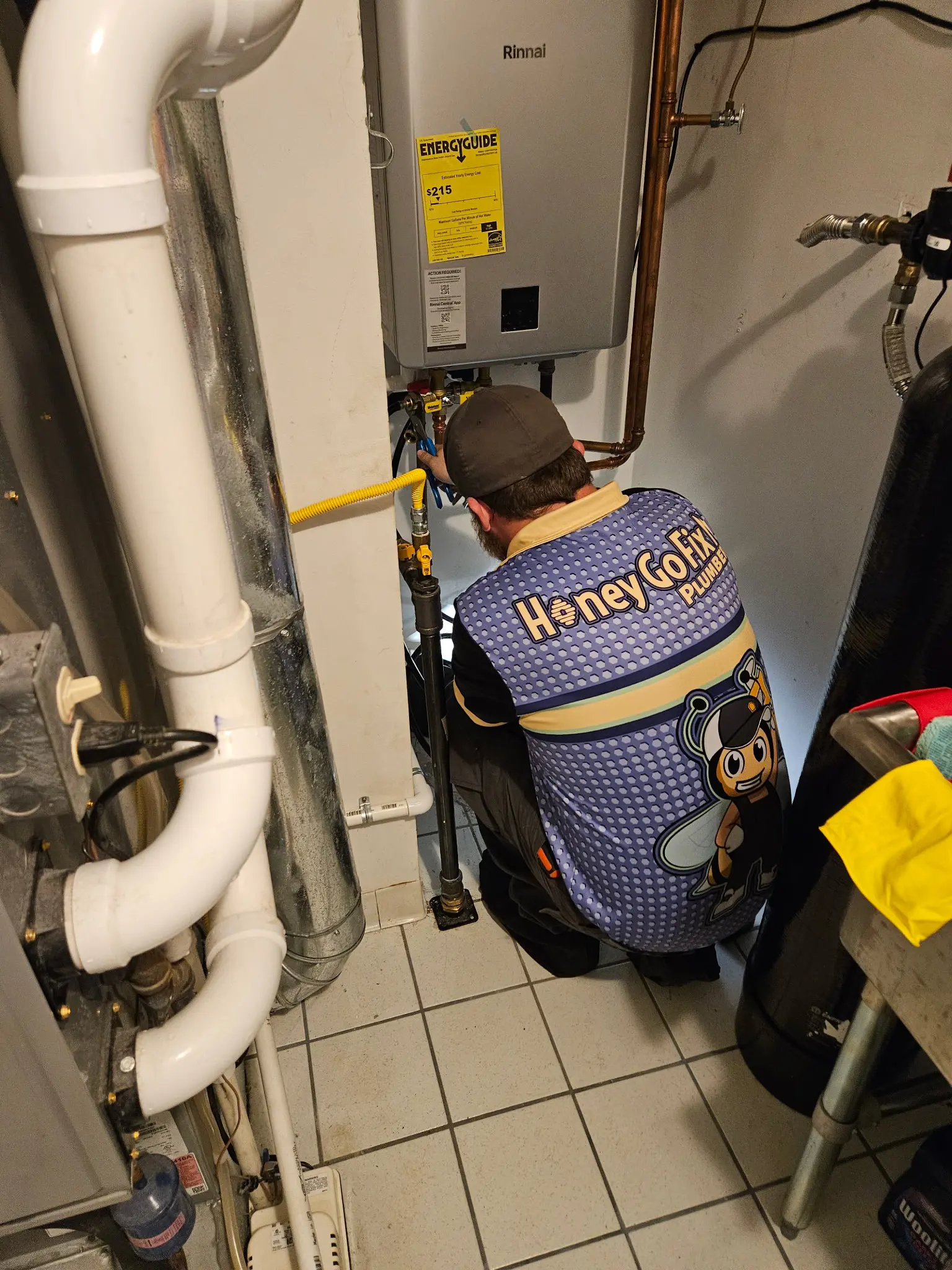 Simple habits that protect your water heater
A few small steps go a long way:
- Keep the area around the heater clear
- Listen for new noises
- Watch for changes in water color or temperature
- Have it professionally checked before the 10-year mark
These habits help you stay in control instead of reacting to a mess.
When it’s smart to call Honey Go Fix It
If something feels off with your water heater—or you’re unsure what you’re seeing—we’re here to help.
When replacement is the right move, we prefer installing Bradford White water heaters. They’re known for strong warranties, durable construction, and long-term reliability—especially important for Dayton-area homes where water quality can be tough on tanks.
At Honey Go Fix It, we help Dayton-area homeowners catch small water heater issues early, explain options clearly, and plan ahead with confidence. We regularly serve families in Troy and Clayton who want to avoid emergency water heater failures.
Call us, schedule an inspection, or ask a quick question. Prevention is always easier than cleanup.
Service That’s Sweet. Always.