

A water line problem can be tricky because the most important pipe may be underground, behind finished walls, or under the area you walk past every day. You may naotice low water pressure, a soggy spot in the yard, or a water bill that suddenly feels off, but it is not always obvious what is causing it.
For homeowners in Dayton and the surrounding Miami Valley, water line problems are worth taking seriously. Older homes, clay-heavy soil, tree roots, and Ohio freeze-thaw cycles can all put stress on underground plumbing. The good news is that catching the signs early can help future-you avoid a bigger, messier repair six months from now.
How do I know if this is really a water line problem?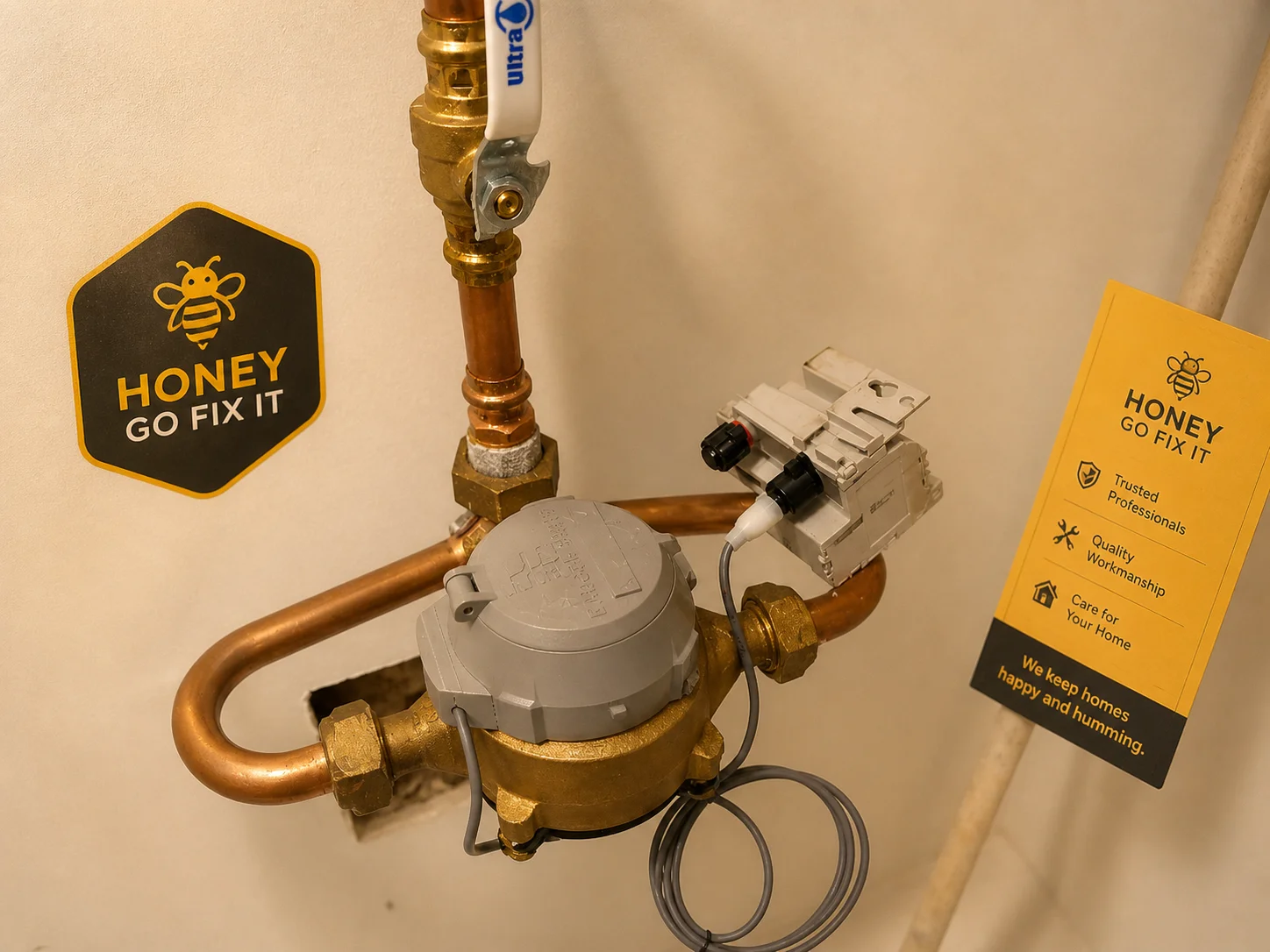
You may need a water line repair if you notice low pressure, unexplained wet spots, discolored water, higher water bills, or the sound of running water when no fixtures are on.
Your main water line brings clean water from the city connection into your home. When that line leaks, cracks, corrodes, or shifts, the symptoms can show up in several ways.
Common warning signs include:
- Low water pressure throughout the home
- A sudden drop in pressure at multiple fixtures
- Water pooling in the yard
- Soft, muddy, or sunken spots in the grass
- A water bill that jumps without a clear reason
- Rusty, cloudy, or discolored water
- A hissing, rushing, or running-water sound when everything is turned off
- Wet areas near the foundation or basement wall
One slow faucet may point to a fixture issue. Low pressure throughout the whole house often points to something larger. That is when it is time to look beyond the sink, shower, or toilet and think about the main water supply.
Why do Dayton-area homes have water line issues?
Many Dayton-area homes have aging underground lines, shifting soil, mature tree roots, and seasonal ground movement that can stress water piping over time.
In older parts of Dayton, many homes have been updated in stages. That means the kitchen may be newer, the bathroom may be remodeled, but the underground water line may still be old.
Ohio weather does not exactly go easy on underground plumbing either. Wet springs can soften the ground. Dry stretches can cause soil to pull away. Winter freezes and spring thaws can create movement around buried piping. Over time, that movement can reveal weak spots in older lines.
Tree roots can also create problems because they naturally grow toward moisture. Roots do not usually “attack” a solid water line, but if a small leak creates a steady water source underground, nearby roots may follow that moisture and take advantage of weak spots, shifting soil, or damaged areas. If the line already has stress, roots and soil movement can make the situation worse.
What happens if I ignore a water line leak?
Ignoring a water line leak can lead to higher water bills, yard damage, foundation moisture, basement concerns, and a more complicated repair later.
This is the expensive surprise most homeowners want to avoid. A small underground leak can waste a surprising amount of water. It can also soften the ground around your home, driveway, sidewalk, or foundation.
If the leak is near the house, moisture can start showing up where you do not want it. You may notice damp basement walls, musty smells, or a wet area that keeps coming back after rain. Not every wet basement means you have a water line issue, but if the moisture shows up alongside low pressure or a higher water bill, it deserves attention.
The biggest risk is waiting until the line fails more dramatically. At that point, the repair may involve more digging, more disruption, and more urgency. Future-you will always appreciate catching the problem before it turns into a “clear the schedule today” situation.
What can I check myself before calling a plumber?
You can check your water bill, water meter, pressure changes, and wet yard areas before calling a plumber. These simple steps can help you describe the issue clearly.
Here are a few easy homeowner checks:
1. Compare your water bill.
Look at the last three to six months. If usage jumped but your household habits did not change, that is a clue.
2. Check whether the pressure problem is everywhere.
Turn on a few fixtures in different parts of the home. If the pressure is low in one faucet, it may be local to that fixture. If the whole home feels weak, the issue may be larger.
3. Walk the yard.
Look for soggy grass, sunken areas, standing water, or a green patch that looks unusually healthy compared to the rest of the lawn.
4. Listen when the house is quiet.
When no water is running, listen near the main shutoff, basement wall, or utility area. A hissing or running-water sound may point to a leak.
5. Check your water meter.
Turn off all fixtures and appliances that use water. If the meter still moves, water may be running somewhere.
These checks do not replace a professional diagnosis, but they help you gather useful information. That makes the service visit more productive and helps your plumber narrow down the source faster.
When should I call Honey Go Fix It?
Call Honey Go Fix It when the issue affects the whole home, keeps returning, involves wet areas near the foundation, or points to an underground leak.
It is time to call a professional if:
- Your whole home has low water pressure
- You hear water running when nothing is on
- Your meter moves while all fixtures are off
- Your yard has a wet spot that will not dry
- Your water bill suddenly increases
- You notice moisture near the basement or foundation
- Your water looks rusty, cloudy, or dirty
- You suspect the main water line may be damaged
A good plumber should not jump straight to the biggest repair without checking the basics. At Honey Go Fix It, the goal is to understand what failed, where the issue is likely coming from, and what repair makes the most sense for your home. Sometimes that means a targeted repair. Sometimes the line condition, age, or location points toward replacement. Either way, you deserve clear options and a calm explanation.
A Wet Yard That Was More Than Spring Rain
We recently helped a Beavercreek homeowner who thought a soggy patch near the side yard was just leftover moisture from spring rain. The spot kept coming back, and the water pressure inside the home started to feel weaker than normal. After checking the symptoms and narrowing down the likely source, the issue pointed toward the underground water service line. Catching it before the yard became fully saturated helped the homeowner make a planned decision instead of waiting for an emergency.
FAQ: Water Line Repair for Dayton Homeowners
How can I tell the difference between a water line leak and a regular plumbing leak?
A regular plumbing leak usually shows up near a fixture, cabinet, ceiling, or wall. A main water line leak often affects the whole home or shows up outside. If you have low pressure everywhere, wet yard spots, or a moving water meter when everything is off, the main water line may be involved.
Is low water pressure always a water line problem?
No. Low water pressure can come from a clogged aerator, a bad shutoff valve, a water softener issue, old interior piping, or a city supply concern. But if the pressure drops throughout the whole home, especially with a high bill or wet yard, you should have it checked.
Can a leaking water line affect my basement?
Yes, depending on where the leak is located. A leaking water service line near the foundation can add moisture to the soil around the home. That can contribute to damp basement walls, musty smells, or moisture concerns.
How much does water line repair cost in Dayton?
Water line repair cost depends on where the leak is, how deep the line is, what material the line is made of, and whether the repair area sits under grass, concrete, landscaping, or a driveway. In our area, an underground supply water line usually cannot be repaired in place. Once the underground service line has failed, the proper solution is typically a full replacement, and the cost depends on digging, locating, permits, material, and any needed restoration. The best next step is a proper diagnosis so you are not guessing from a soggy yard or a high water bill.
Does homeowners insurance cover water line repair?
Sometimes, but it depends on your policy and where the failure happened. Some homeowners have service line coverage, and some do not. If you suspect a major water line issue, review your policy or call your insurance provider before assuming it is covered.
Do I need water line repair or full replacement?
That depends on the line’s age, material, location, damage, and overall condition. A newer line with one isolated issue may be repairable. An older line with repeated leaks, corrosion, or poor condition may need replacement to prevent more problems.
How urgent is a water line leak?
A suspected water line leak should be checked quickly, but not every situation is a panic. If you have active flooding, no water, rapidly spreading moisture, or water near electrical equipment, treat it as urgent. If you have a slow pressure drop or a wet yard spot, schedule a professional evaluation before it gets worse.
Want Peace of Mind Before It Turns Into a Bigger Repair? 
If your Dayton-area home has low water pressure, a wet yard spot, a mystery water bill increase, or signs of moisture near the foundation, Honey Go Fix It can help you figure out what is really going on.
We will look at the symptoms, explain what we find, and help you choose the right fix for your home. No scare tactics. No guessing game. Just sweet, clear plumbing care from a local team that wants to protect your home.
Schedule your water line inspection with Honey Go Fix It today and give future-you one less thing to worry about.