

A water spot on the ceiling has a way of stopping your whole day. One minute you are making coffee or getting the kids ready, and the next you are staring up wondering, “Is this coming from the roof, or is something leaking upstairs?”
For homeowners in Oakwood, Centerville, and across the Dayton area, the answer usually comes down to timing, location, and what was happening right before the leak showed up. Let’s walk through the clues so you can make a calm, smart next move.
How Can You Tell If a Ceiling Leak Is From the Roof or Plumbing? 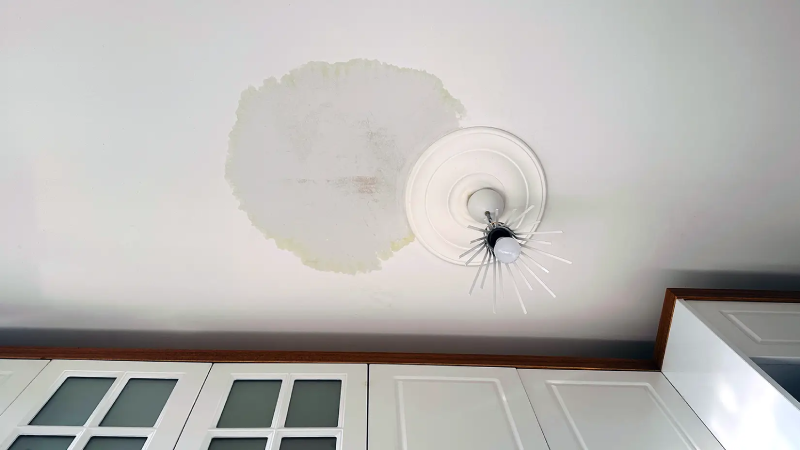
The fastest way to tell is to look at when the leak happens. If it shows up during or after rain, snow, or ice melt, your roof may be the source. If it happens when someone showers, flushes, runs a sink, or uses the washing machine, plumbing is more likely.
That is not a perfect test, but it gives you a strong starting point. Water can travel along framing, insulation, and drywall before it finally stains the ceiling, so the wet spot may not sit directly under the actual problem. Still, the pattern of the leak usually tells a story.
What Are the Signs of a Roof Leak?
A roof leak usually follows the weather. In Dayton, that may mean heavy spring rain, wind-driven storms, melting snow, or ice that sits on the roofline and then thaws.
Look for roof-related clues like:
- The leak appears during or after rain.
- The stain grows after a storm.
- Water shows up near an exterior wall, chimney, skylight, roof valley, or attic vent.
- The ceiling spot looks brown or yellow and slowly gets larger.
- The leak comes and goes instead of dripping every day.
- The problem is worse when wind pushes rain toward one side of the home.
Older homes in Oakwood can be especially tricky because water may follow old framing before it shows up inside. A small flashing issue around a chimney or vent can look like a random ceiling stain ten feet away.
What Are the Signs of a Plumbing Leak?
A plumbing leak usually follows water use inside the home. If the ceiling leaks when no rain has fallen, start thinking about plumbing.
Common plumbing-related clues include:
- The leak is under a bathroom, kitchen, laundry room, or water heater.
- It starts after someone takes a shower or bath.
- It gets worse when a toilet flushes.
- It drips when the washing machine runs.
- The water looks clear at first.
- The drip continues even when the weather is dry.
- You hear water running when all fixtures should be off.
Plumbing leaks can come from water supply lines, drain lines, toilet seals, shower valves, tub overflows, or loose connections. A supply line brings fresh water into a fixture. A drain line carries used water away. Both can leak, but they often behave differently. A supply leak may drip constantly. A drain leak may only show up when someone uses that fixture.
Why Does This Matter So Much?
The source matters because the wrong repair wastes time and money. Calling a roofer for a leaking shower drain will not fix the ceiling. Calling a plumber for damaged roof flashing will not stop the next storm from bringing water back in.
The hidden stressor for many Dayton homeowners is not just the water spot. It is the fear of making the wrong call, opening up the ceiling, finding mold, damaging finished rooms, or getting stuck in a back-and-forth between trades.
The good news is that you can usually narrow down the source before anyone starts cutting drywall.
What Happens If You Ignore a Ceiling Leak? 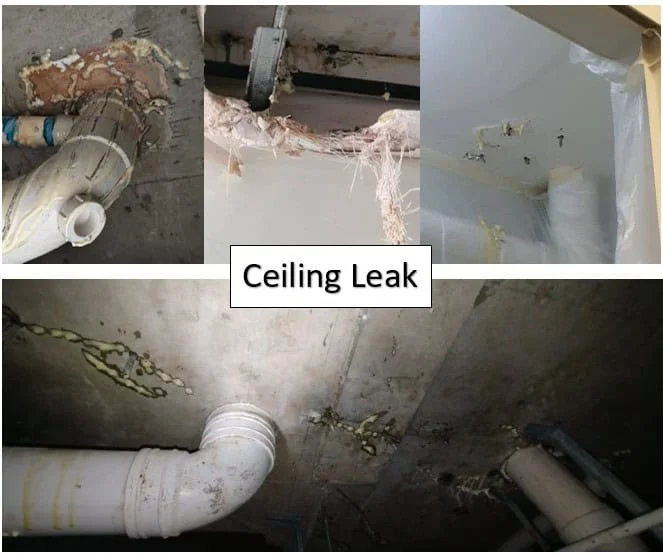
A small ceiling leak can turn into damaged drywall, stained paint, wet insulation, electrical concerns, and mold-friendly moisture. That does not mean you need to panic. It means you should take it seriously while the issue is still manageable.
Water damage rarely improves on its own. The stain may dry between leaks, but the source can still be active. Six months from now, future you will be much happier if today’s small water spot gets traced before it becomes a soft ceiling, a musty smell, or a larger repair.
This is especially true in Ohio homes where humidity can slow drying. A damp ceiling cavity can hold moisture longer than homeowners expect, especially in bathrooms, finished basements, and rooms with limited airflow.
What Should You Do First When You See Water Coming Through the Ceiling?
First, protect the home and reduce risk. Before you investigate the source, slow down and handle the immediate problem.
Here are the first steps:
- Put a bucket or towels under the drip.
- Move furniture, rugs, and electronics away from the area.
- Take photos of the ceiling, floor, and any visible water damage.
- Avoid using the bathroom, sink, washer, or fixture above the leak if one exists.
- If water is near a light fixture, fan, outlet, or smoke detector, turn off power to that area and call for help.
- Watch whether the drip slows once the nearby plumbing stops being used.
Do not keep poking at the ceiling to “see what happens.” If the ceiling is bulging, that trapped water may need to be relieved carefully, but do not stand directly under it. When in doubt, step back and get help.
What Can a Homeowner Check Before Calling?
You can do a few simple checks without tools or guesswork.
These small steps can help you explain the issue clearly when you call a roofer, plumber, or insurance company.
Match the Leak to the Weather
Write down when the leak appeared. Did it rain today? Did snow melt off the roof? Was there wind with the rain? If the answer is yes, your roof becomes the stronger suspect.
Check What Is Above the Leak
Look at the room directly above the ceiling stain. If there is a toilet, tub, shower, sink, washer, water heater, or plumbing wall above it, plumbing deserves a closer look.
Stop Using Nearby Fixtures
If the leak sits under an upstairs bathroom, avoid using that bathroom for a little while. If the dripping stops, that points toward a plumbing issue. If the leak comes back with the next rain, the roof may be more likely.
When Should You Call Honey Go Fix It?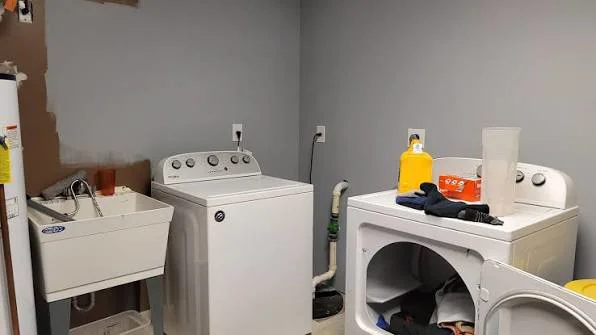
Call a plumber when the leak appears with no rain, happens during water use, sits below a bathroom or laundry room, or keeps dripping after the weather clears.
Honey Go Fix It can help trace plumbing-related ceiling leaks tied to:
- Toilets
- Showers and tubs
- Sink drains
- Water supply lines
- Washing machine connections
- Water heaters
- Drain lines inside walls or ceilings
A good plumber will not just guess. They will ask about the timing, inspect the fixtures above the leak, look for active moisture, and help you understand the next right step.
When Should You Call a Roofer Instead?
Call a roofer when the leak only appears after rain, snow, ice melt, or wind-driven storms. Roofers handle issues like shingles, flashing, roof valleys, chimneys, skylights, and roof vents.
If you are not sure, start with the strongest clue. Weather-related leak equals roofer. Fixture-related leak equals plumber. If both seem possible, explain the full pattern when you call so the right person can help you avoid a wasted trip.
A Centerville Ceiling Leak That Wasn’t the Roof
We recently helped a family in Centerville who noticed a ceiling stain below their upstairs bathroom. At first, they thought the roof had leaked because the stain showed up after a rainy week. But the drip got worse every time the shower ran. After checking the bathroom above, the issue pointed back to the shower area instead of the roof. Catching that pattern saved them from starting with roof repairs that would not have solved the problem. That is why we always ask what was happening right before the leak appeared.
FAQ: Ceiling Leaks in Dayton-Area Homes
How do I know if my ceiling leak is from plumbing?
Your ceiling leak may be from plumbing if it happens when someone uses a toilet, shower, tub, sink, washing machine, or water heater. It is also more likely plumbing if the leak continues during dry weather.
How do I know if my ceiling leak is from the roof?
Your ceiling leak may be from the roof if it appears during rain, after a storm, during snow melt, or when wind pushes rain against the house. Stains near exterior walls, chimneys, skylights, and roof vents often point toward the roof.
Can a ceiling leak be far away from the actual problem?
Yes. Water can travel along wood framing, pipes, insulation, or drywall before it drips through the ceiling. The stain gives you a clue, but it may not mark the exact source.
Is a ceiling leak an emergency?
It can be. If water is near electricity, the ceiling is sagging, or the leak is actively dripping, treat it as urgent. Move items away, turn off power to the affected area if needed, and call for help.
Should I call a plumber or roofer first for a ceiling leak?
Call a plumber first if the leak connects to water use inside the home. Call a roofer first if the leak connects to rain, snow, ice, or wind. If you are unsure, share the timing and location when you call.
Will homeowners insurance cover a ceiling leak?
Coverage depends on the cause, the policy, and how quickly the issue was addressed. Take photos, document when you noticed the leak, and contact your insurance company if the damage is significant.
Can Honey Go Fix It repair the ceiling drywall too?
Honey Go Fix It focuses on plumbing repairs. We can help find and repair the plumbing source, but drywall, paint, flooring, and finish work are typically handled by restoration or repair specialists.
The Sweet Next Step
A ceiling leak does not have to turn into a guessing game. Pay attention to the timing, check what sits above the stain, and stop using nearby fixtures long enough to see if the drip changes.
If the leak points toward plumbing, Honey Go Fix It is here to help Dayton-area homeowners find the source and make the right fix the first time. No pressure. No scare tactics. Just practical help, clear answers, and a little peace of mind for future you.
Honey Go Fix It provides residential plumbing services for homeowners in Dayton, Beavercreek, Centerville, Springboro, Xenia, and nearby suburbs.