Sudden water main breaks can trigger unexpected boil advisories for neighborhoods across the Miami Valley, from Kettering and Beavercreek to Centerville and Springboro. When these notices go into effect, the immediate focus is usually on drinking water, but your home plumbing system requires quick attention too. Taking a few proactive steps can prevent hidden bacteria from contaminating your appliances and stop heavy street sediment from ruining your equipment.
Phase 1: During the Advisory
How to safely prepare tap water for your family
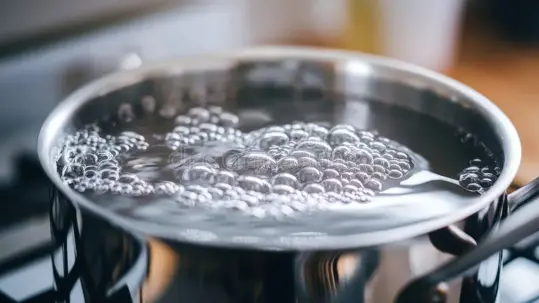
High heat is the most reliable way to ensure that your household water is completely free from potential biological contaminants. You must bring your tap water to a clear, continuous rolling boil for at least 1 minute before using it. This rules applies to any water you plan to use for drinking, cooking, brushing teeth, washing fruits, or mixing baby formula. Always let the water cool completely and store it in clean, sealed containers to keep it safe.
What to do with your water softener during a boil advisory
Your home water conditioning system needs immediate protection as soon as an advisory is announced.
- Switch to Bypass Mode: Locate your water conditioning unit and turn the main handle to Bypass Mode right away to stop municipal water from flowing through the tank.
- Protect the Resin Bed: Water main breaks usually stir up heavy rust, dirt, and debris in the street pipes. Bypassing your system stops this thick sediment from entering your softening tank and permanently clogging the delicate resin bed inside.
- Understand Filtration Limits: Never rely on your water softener to purify your water during a safety notice. These systems are built to remove hard minerals like calcium, but they are completely unable to filter out biological bacteria or viruses.
How to safely run household kitchen and laundry appliances
Standard appliance filters are not designed to sanitize water, meaning you need to adjust how you use your daily household electronics.
Running refrigerator water filters and ice makers
- Shut Off Automatic Ice Makers: Turn off the power switch to your freezer's automatic ice maker immediately. Empty out and throw away any ice cubes made over the last 24 hours to prevent anyone from using contaminated ice.
- Avoid the Water Dispenser: Do not use the built-in water dispenser on your refrigerator door during the advisory. Refrigerator water filters are excellent for removing chlorine and improving taste, but they do not remove microscopic bacteria.
Running your dishwasher or washing machine
- Verify Dishwasher Temperatures: Your automatic dishwasher is only safe to use if it has a specific sanitize cycle or if the internal heating element reliably reaches a minimum temperature of 150°F. If your machine cannot hit this high temperature, you should wash your dishes by hand using pre-boiled water mixed with a splash of household bleach.
- Check Laundry for Discoloration: Your clothes washing machine is generally safe to use for regular laundry cycles. However, if the water main break has made your tap water look muddy or discolored, avoid washing light fabrics and sheets until the water clears up to prevent permanent stains.
Phase 2: After the Advisory Is Lifted
How to flush your home water lines after an advisory is lifted
Once local city officials announce that the public water supply is completely safe, you should still avoid drinking straight from the tap. You must thoroughly flush the stagnant, untreated water out of your home’s internal pipes before returning to your normal routine.
The step-by-step flushing protocol for faucets and tanks
- Remove Faucet Aerators: Walk through your home and unscrew the small mesh faucet aerators from the tips of all your sinks. This keeps trapped street sediment from clogging your fixtures.
- Run All Cold Water Lines: Turn on every cold water faucet in your home, starting on the absolute top floor of the house and working your way down to the basement. Let the cold water run for 5 to 10 minutes until the streams are perfectly clear and feel very cold.
- Clear Out Hot Water Tanks: Open your hot water faucets and let them run continuously until your hot water heater tank empties completely and the water runs cold. This replaces all the unboiled water inside your water heater with fresh, clean municipal water.
Resetting water softeners and refrigerator filters
- Purge Refrigerator Lines: Run your refrigerator's water dispenser into a large container for at least one quart of water to clear out the internal supply line. Run your automatic ice maker through 3 full batches of ice, throwing away every single batch.
- Replace Inline Water Filters: Change out any inline water filters under your kitchen sink or attached to appliances if they were used during the advisory. Worn filters can trap bacteria, creating a long-term health hazard if they are not replaced.
- Reset Your Water Softener: Turn your water softener valves back into Service Mode. To clean the system thoroughly, force a manual regeneration cycle to run overnight, which safely flushes any minor sediment out of the system.
The New Lebanon Water Advisory
Lessons from the New Lebanon water main break
When a major New Lebanon water main break occurs, it serves as a clear reminder of how fast a plumbing system can be impacted. During local municipal emergencies, the sudden drop in street water pressure can cause reverse flows, pulling groundwater into older residential pipe connections. Residents who react quickly by bypassing their softeners and turning off their ice makers save themselves from expensive appliance repairs later. Following a strict, top-to-bottom flushing protocol once a New Lebanon advisory is cancelled ensures that your home infrastructure stays clean, safe, and dependable.
Frequently Asked Questions
- How long do you need to boil water during a local boil advisory? You must bring your tap water to a continuous, rapid rolling boil for at least one full minute before using it for any type of consumption. Heating the water to this point completely destroys any biological contaminants, bacteria, or viruses that may have entered the municipal system due to a street pipe failure. This rule applies to any water you intend to use for drinking, cooking, brushing teeth, washing fruits, or mixing baby formula.
- Should you bypass your water softener during a boil advisory? Yes, you must switch your water conditioning unit into bypass mode immediately when a boil warning begins. Water main breaks usually stir up heavy rust, dirt, and rough street sediment in the municipal grid. Bypassing your system stops this thick debris from entering your house lines, which prevents the sediment from permanently clogging and ruining the delicate resin bed inside your softening tank.
- Can you use your refrigerator water filter or ice maker during a boil advisory? No, you should never use your refrigerator door water dispenser or automatic ice maker while a boil notice is active. Standard carbon refrigerator filters are built to improve taste and remove chlorine, but they are completely unable to trap microscopic bacteria. You must turn off the ice maker power switch right away and throw away any ice cubes made over the last twenty-four hours to prevent accidental consumption.
- Is it safe to run your dishwasher while a boil notice is active? Your automatic dishwasher is only safe to use if it features a specific certified sanitize cycle or if the internal water temperature reliably reaches a minimum of 150°F. If your specific household appliance cannot hit this high temperature, you should avoid running it completely. Instead, wash your dishes by hand using pre-boiled water mixed with a small splash of household bleach to guarantee they are safe.
- What is the proper way to flush your home plumbing lines after an advisory is lifted? Once municipal officials announce the water is safe, you must remove all faucet aerators and run every cold water tap from the top floor down to the basement for 5 to 10 minutes until the streams run cold and clear. Next, open your hot water faucets continuously until your hot water heater tank empties out completely and the water turns cold, which replaces the stagnant water with fresh municipal water.
- What should New Lebanon residents do with their appliances after a water main break is fixed? Residents affected by a New Lebanon water main break must run their refrigerator door dispensers for at least one full quart and throw away three entire batches of fresh ice to clear the internal supply lines. Additionally, you should replace any inline appliance water filters used during the warning period and force a manual water softener regeneration cycle overnight to safely flush any minor remaining sediment out of your equipment.
Honey Go Fix It provides residential plumbing services for homeowners in Dayton, Beavercreek, Centerville, Springboro, Xenia, and nearby suburbs.