
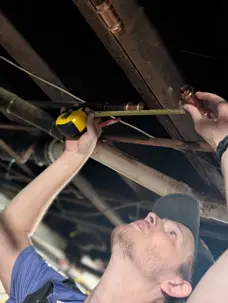
Quick answer: The year your Beavercreek home was built is the best clue to what kind of pipes are hiding in your walls. Homes built before the 1970s often have galvanized steel, homes from the late 1970s through the mid-1990s may have polybutylene, homes from the 1980s to early 2000s frequently use CPVC, and copper shows up across every era. Two of those materials - galvanized steel and polybutylene - fail from the inside long before you see a water stain, and some insurance companies treat them as a red flag at renewal time.
If everything is flowing fine, it is easy to forget your plumbing exists. But as Honey Go Fix It CEO Kassandra H. put it on a recent episode of the Honey Go Fix It podcast, "the build year tells you a ton about what is going on with your home's plumbing." Here is how that plays out for Beavercreek homeowners, and what to do about it.
Why does it matter what kind of pipes are in my Beavercreek home?
Two reasons: water damage and insurance.
Kassandra shared a story that sticks with us. A family came home from vacation to find a leak in an upstairs utility closet had been running the whole time they were gone. "By the time we got there, the house smelled like water damage, and they had to remove all the carpet. It was a big restoration project." What started as one small failure turned into a bill in the tens of thousands.
The second reason surprises people. Many homeowners find out what material their pipes are made of only when an insurance company asks - at renewal, when shopping for a new policy, or after a claim. Some carriers will decline coverage, raise premiums, or exclude water damage if a home still has polybutylene supply lines. Knowing before they ask puts you in control instead of scrambling.
What kind of pipes does a Beavercreek home have, based on when it was built?
Beavercreek grew in waves. A lot of the city's housing stock went up between the 1960s and the 1990s, with steady building since then. That timeline lines up almost exactly with the four pipe materials plumbers see most often in the Greater Dayton area.
Built before the early 1970s: galvanized steel
Galvanized pipe is steel with a zinc coating. The coating wears off from the inside, and the pipe starts to rust and narrow. The first symptom is usually not a leak - it is water pressure that slowly gets worse, or water that runs rusty for a second when you first turn on a tap.
Built late 1970s through mid-1990s: polybutylene
Polybutylene (often stamped "PB2110" on the pipe) is a gray plastic supply line that was cheap and quick to install. "Polybutylene was cheap and easy to install, but it became a nightmare for many homeowners when it started to fail," Kassandra explained. Chlorine and other chemicals in treated water make it brittle over time, and when it goes, it tends to go suddenly - a burst, not a drip.
Built 1980s through early 2000s: CPVC
CPVC is the cream-colored rigid plastic pipe. It handles hot and cold water and holds up better to heat than plain PVC. It is not a problem material on its own, but it does get brittle with age, and it can crack if it is bumped or if a fitting was stressed during installation.
Any era: copper
Copper is still installed today and can last decades. It is not immune, though. Pinhole leaks, corrosion at joints, and green staining around fittings are the things to watch for, especially in a home that has been on well water or hard water for a long time.
What are the warning signs of failing pipes?
The biggest misconception we hear is that a water stain on the ceiling is the first sign of trouble. It is usually one of the last. By the time you can see it, the pipe has often been failing for months.
Earlier signals to take seriously:
- Water pressure that has dropped compared to a few years ago, especially at one fixture
- Rusty or discolored water when a tap first turns on
- A water bill that creeps up without any change in how you use water
- Damp drywall, a musty smell, or warm spots on a floor with no obvious cause
- Gray plastic pipe with "PB" markings anywhere you can see the plumbing
Declining water pressure deserves its own mention. Most homeowners write it off as normal wear. In a galvanized system, it is the pipe telling you it is corroding shut from the inside.
Does hard water in Beavercreek make pipe problems worse?
It can. Much of Greene County sits on limestone, so water here tends to run hard. Mineral scale builds up inside pipes and fixtures over the years, which narrows galvanized lines even faster and adds stress to older copper joints. If you have noticed white crust on faucets or a water heater that seems to work harder every year, your pipes are dealing with the same buildup.
How can I find out what pipes my house has?
You can do a first pass yourself in about ten minutes, no tools needed:
- Look under the kitchen and bathroom sinks at the supply lines coming out of the wall.
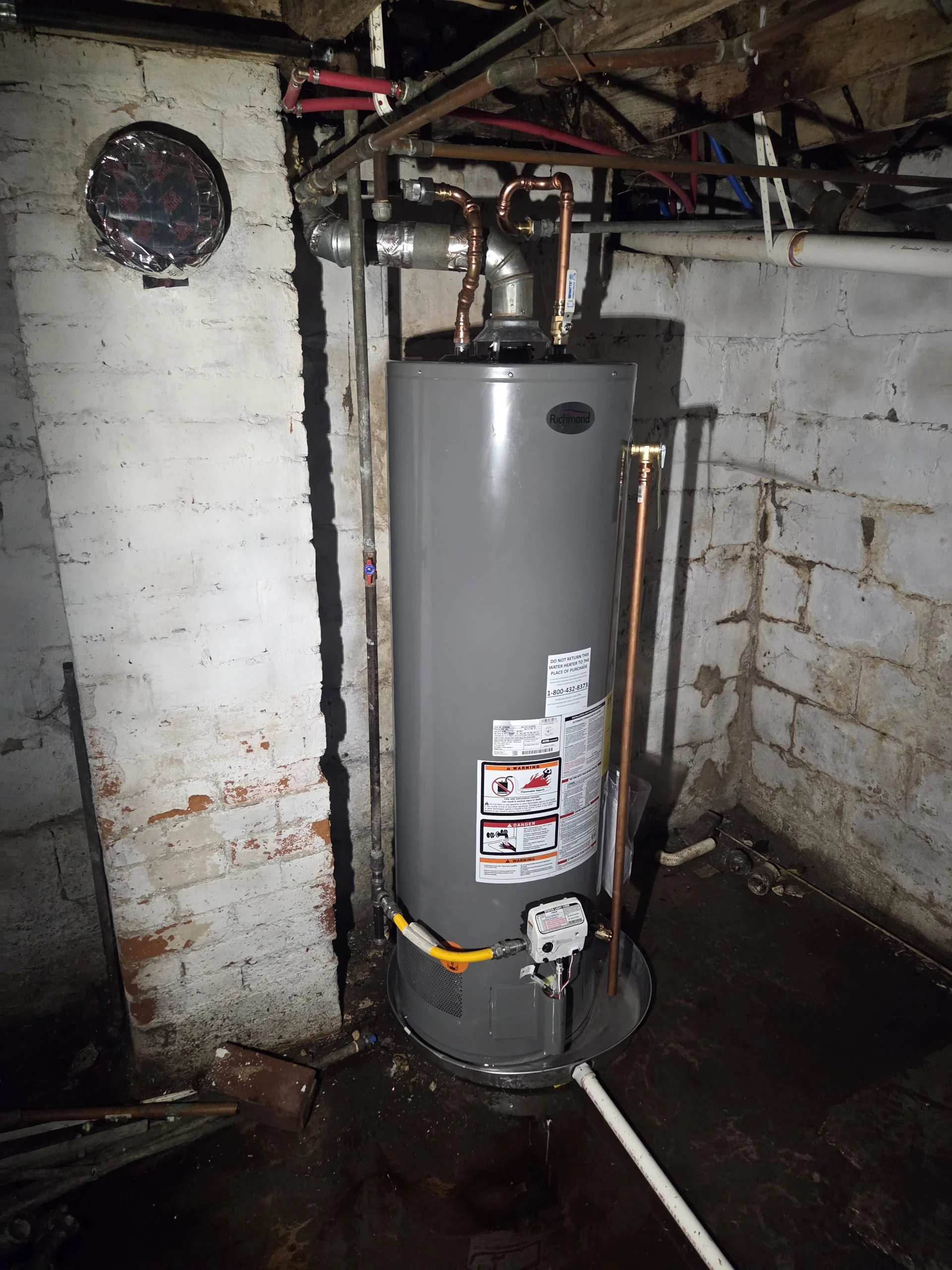
- Check where the main water line enters the house, usually near the water heater or in the basement.
- Note the color and markings: gray plastic with "PB" is polybutylene, cream-colored rigid plastic is CPVC, dull gray metal that a magnet sticks to is galvanized, and reddish-brown metal is copper.
What you see in one spot is not always the whole story. Homes get partial repipes, and a copper line under the sink can connect to polybutylene inside the wall. A licensed plumber can confirm what is behind the drywall without opening it up.
Should I replace old pipes before they fail?
If your Beavercreek home has polybutylene, yes - the question is when, not if. Replacing it on your schedule costs a fraction of replacing it after a burst plus the flooring, drywall, and restoration that come with it. It can also make your insurance conversation a lot easier.
For galvanized steel, the decision depends on how far along the corrosion is. A pressure and flow check tells us a lot, and sometimes a partial repipe of the worst runs buys years.
Copper and CPVC usually do not need replacing on age alone. They need someone to look at them every so often and catch the small stuff early.
What Honey Go Fix It can do
We are based right here in Beavercreek at 2766 Indian Ripple Rd, and we repipe homes across the Greater Dayton area. A visit starts with identifying what you have, checking pressure and flow, and giving you clear options with photos and notes - so you know exactly what you are dealing with before anything gets decided.
If you would rather not think about it again, our Sweet Service Plan includes two inspections a year, so aging pipes get looked at before they become a problem.
Frequently asked questions
What year were polybutylene pipes used in Ohio homes?
Roughly 1978 through 1995. A Beavercreek home built in that window has a good chance of having polybutylene supply lines unless it has already been repiped.
Will insurance cover a home with polybutylene pipes?
It varies by company. Some will insure it with conditions, some will exclude water damage, and some will decline. Ask your agent directly, and ask again before renewal if you have had the pipes replaced - it can change your options.
How long do galvanized pipes last?
Typically 40 to 60 years. A home built in the 1960s with original galvanized plumbing is at or past the end of that range.
How much does it cost to repipe a house in Beavercreek?
It depends on the size of the home, the number of bathrooms, and how accessible the plumbing is. We provide a written estimate after seeing the house, with no obligation.
Can I replace just part of my plumbing?
Often, yes. If one run is failing and the rest is sound, a partial repipe can be the right call. We will tell you either way.
Not sure what is behind your walls? Give us a call at 937-777-9626 or visit HoneyGoFixIt.com, and we will help you find out. Service that's sweet, always.
Hear the full conversation on the Honey Go Fix It podcast at HoneyGoFixIt.com/podcast.