
 How Your Well Pump and Tank Work Together
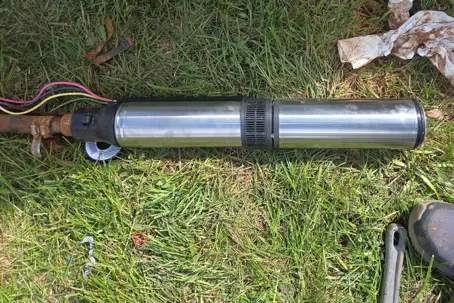
Many homeowners look at well maintenance as a game of fixing parts only after they break completely. It is easy to think the deep well pump underground and the blue steel pressure tank in your utility room are separate things. In reality, these two devices work together closely. The pump is the muscle that pushes water out of the ground, while the tank is the brain that controls the flow and stops the pump from turning on and off too often.
Replacing your well pump and pressure tank at the same time keeps your water system balanced, stops early motor burnout, and saves you money on future service calls.
Pressure tanks rely on an internal rubber bladder and a precise pocket of compressed air to maintain steady water pressure throughout your home. Over time, these internal bladders lose their stretch or tear completely. When you pair a brand-new, strong pump with an old, worn-out tank, you create a major system imbalance.
 The Expensive Surprise of Mismatched Parts
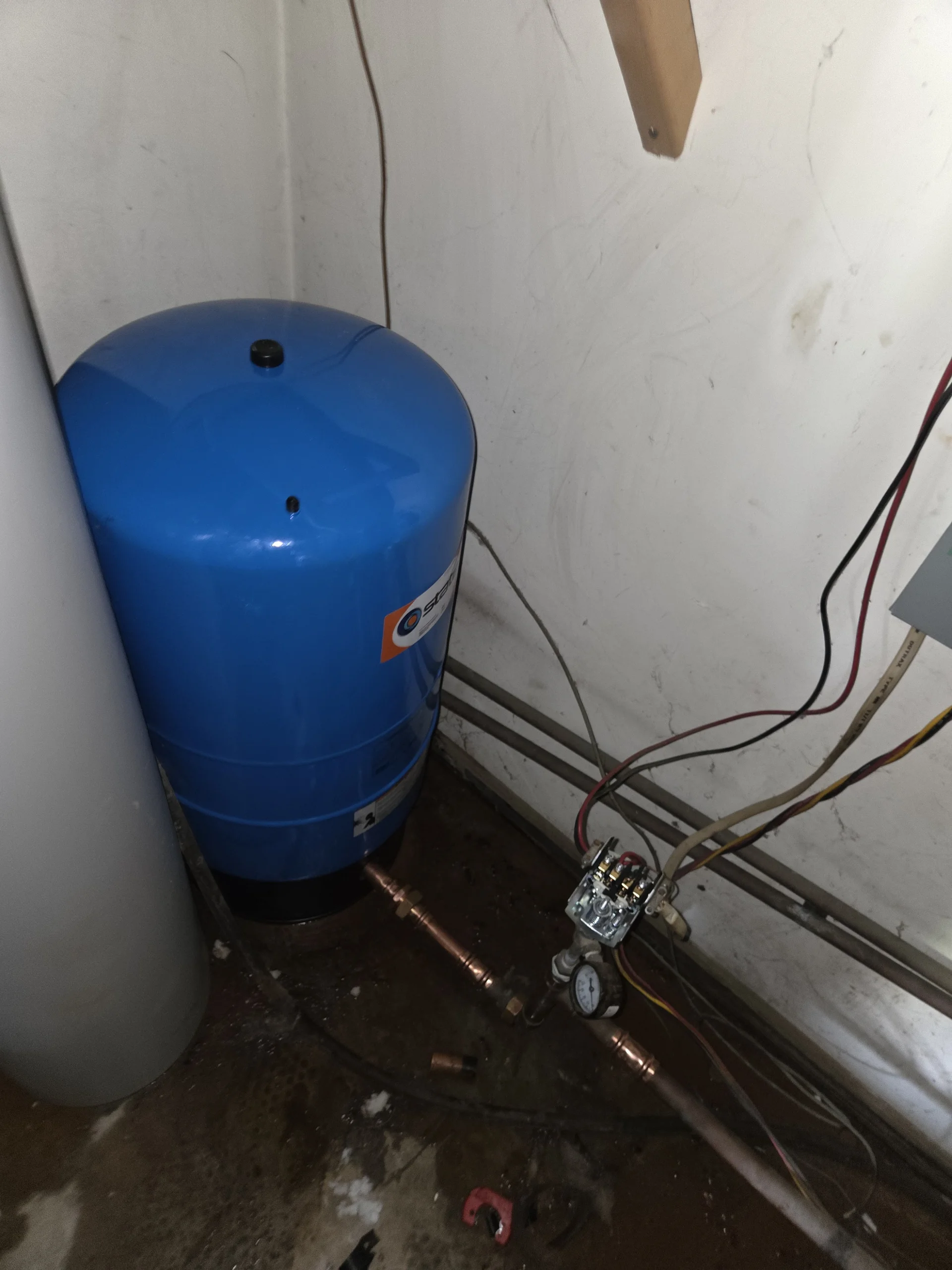
Leaving an old pressure tank in place alongside a newly installed pump exposes your home to a highly predictable issue called short-cycling. When a pressure tank bladder fails or the tank loses its air cushion, it cannot store water pressure effectively. The moment you open a faucet anywhere in the house, the system pressure drops instantly.
This rapid drop forces the brand-new pump motor to click on right away. When you turn the faucet off, the system hits maximum pressure in seconds, and the pump shuts off. Instead of running for a healthy, efficient cycle of one to two minutes, the pump cycles on and off multiple times every single minute. This rapid clicking quickly overheats the electric motor down in the well casing. Leaving an old tank in place often destroys a brand-new pump motor in less than a year, completely wiping out the money you thought you saved.
Easy Ways to Check Your Well System Today
While replacing core well components requires heavy-duty tools, you can perform basic checks yourself to monitor the health of your system:
- Listen to the Cycle Rhythm: Open a large water tap, like a bathtub faucet, and stand near your pressure tank. Listen closely to the pressure switch clicking. If the switch clicks on and off every few seconds while the water is running, your system is short-cycling.
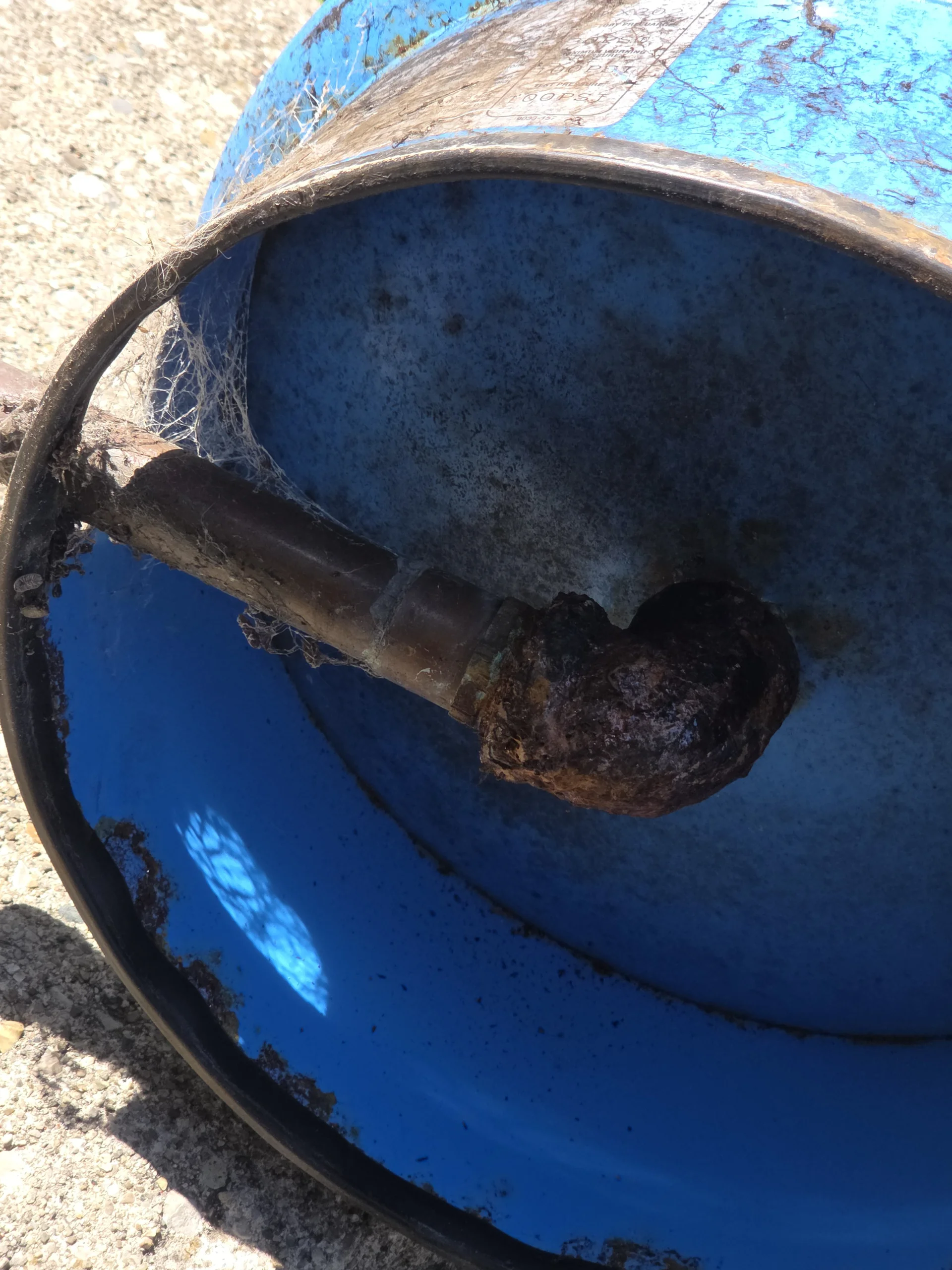
- Look at the Pipe Base: Examine the plumbing connections located at the absolute bottom of your tank. Look closely for green crust, white mineral buildup, or tiny wet spots. Rust at this base connection can lead to sudden basement flooding.
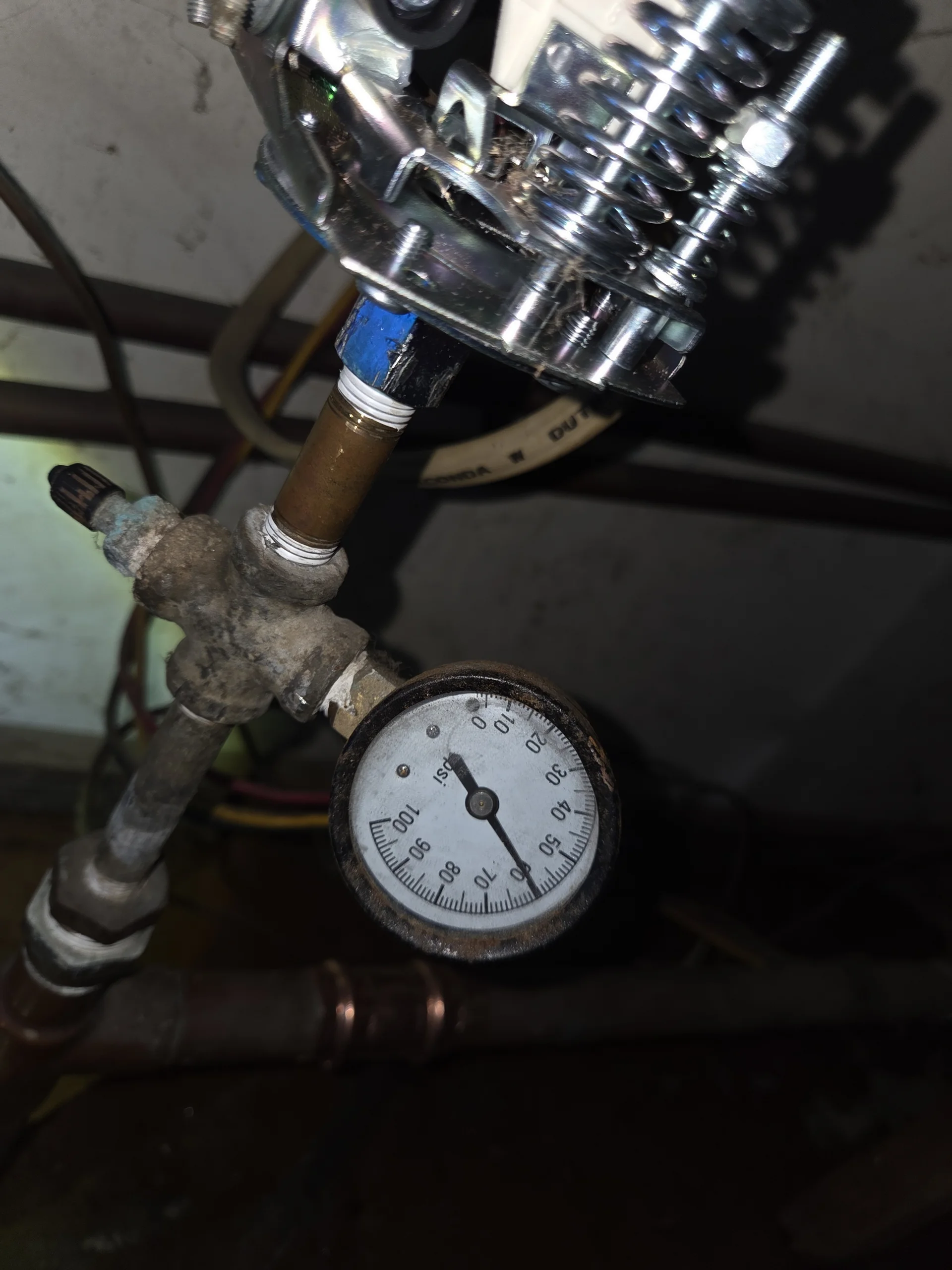
- Watch the Pressure Gauge: Watch the needle on your water pressure gauge while water is running. The needle should move smoothly up and down between your system’s set limits rather than bouncing around erratically.
When to Call the Professionals
Well system replacement sits firmly outside the boundary of standard household DIY projects. Safely disconnecting an old submersible pump involves handling dangerous 240-volt electrical circuits and specialized starting controls.
Setting up a new pressure tank also requires very precise calibration. The air pressure inside the tank must be set exactly 2 PSI below the pressure point where the pump turns on. Doing this wrong causes the internal bladder to stretch too far, which ruins the tank and voids your equipment warranty.
 Real-World Story: Full System Restoration
In April, the Honey Go Fix It team helped a local family dealing with a total water outage. The existing well setup had suffered from a clear domino effect. The internal bladder of the older pressure tank had completely degraded, which put a constant strain on the system and ultimately burned out the well pump motor.
To deliver a long-term solution, our team installed our Complete Well System Replacement Package, upgrading the well pump, the pressure tank, and the pressure switch all at once. Because older systems often have hidden wiring issues, we had an electrician come out to rework the power lines and replace a bad capacitor on the well system. By updating the plumbing and electrical parts together, the home's water was restored to perfect condition with a solid one-year parts and labor warranty.
Common Customer Questions
- How long do well pumps and pressure tanks typically last around Dayton? A high-quality submersible well pump generally provides reliable service for 10 to 15 years. A good well pressure tank shares a very similar lifespan of roughly 5 to 10 years. Because these timelines match up so closely, replacing them at the same time ensures your utility room operates on a clean, matching schedule.
- What are the signs that a pressure tank has broken internally? The biggest sign of an internal failure is a waterlogged tank. If you tap the top half of your steel pressure tank with your knuckle and it makes a dull, heavy thud instead of a hollow, ringing sound, the air chamber is full of water. This means the rubber bladder inside has torn open.
- Can an old pressure switch damage a newly installed well pump? Yes, it can. The electrical contact points inside a pressure switch open and close thousands of times a year. This causes a gradual buildup of burnt carbon and pitting. If these electrical points get stuck together from old age, the pump will run continuously without shutting off, which quickly melts internal parts.
- How much does it cost to replace a well pump and pressure tank together around Dayton? The total cost varies based on how deep your well is, the size of the pump, and if your home needs electrical updates. In the Dayton area, a full package that upgrades the well pump, pressure tank, and pressure switch typically ranges between $5,500 and $8,500. For instance, a complete system overhaul that includes a strong submersible pump, a premium blue tank, and professional electrical upgrades to guarantee safe wiring runs right around $7,030. While this is an upfront investment, it protects your equipment from breaking down early and saves you from paying for multiple service visits.
Restoring Peace of Mind to Your Home
Your home relies on a steady stream of clean water to keep daily life moving smoothly. Investing in a complete well system upgrade protects your household from sudden water loss and expensive secondary repairs. Our team treats your home with deep care, ensuring every connection is sealed and calibrated for years of seamless service.
Honey Go Fix It provides residential plumbing services for homeowners in Dayton, Beavercreek, Centerville, Springboro, Xenia, and nearby suburbs.