
One plumbing repair can feel normal. Two repairs can feel annoying. But when pipes keep leaking, water pressure keeps dropping, or rusty water keeps showing up, many homeowners start wondering the same thing: Are we fixing the real problem, or just buying time?
That question matters in older Dayton homes. Aging pipes can corrode, clog from the inside, or fail in stages. Repiping is not the answer to every plumbing issue, but sometimes another repair only delays the bigger decision.
A good plumber should help you understand when a repair makes sense and when replacement gives you better peace of mind. The goal is not to scare you into a bigger project. The goal is to help future-you avoid paying for repeated problems that never really go away.
How do I know if my home needs repiping?
You may need repiping if your home has repeated leaks, poor water pressure, rusty water, visible pipe corrosion, or several plumbing repairs in a short period of time.
Repiping means replacing a larger section of your home’s water piping instead of repairing one small failure point. This may involve replacing old supply lines that carry clean water to fixtures like sinks, toilets, showers, tubs, laundry, and the kitchen.
Here are the signs homeowners can usually check themselves:
- Multiple leaks in different areas: Make a quick list of where leaks have happened. If leaks keep showing up in different rooms, that may point to a system-wide issue.
- Low water pressure at several fixtures: Check the kitchen sink, bathroom sinks, shower, tub, and laundry. Low pressure in one spot may be local. Low pressure in several areas may point to restricted piping.
- Rusty, brown, or discolored water: Fill a clear glass after the water has been sitting for a few hours. If it looks brown, yellow, or rusty, old piping may be part of the problem.
- Water that tastes or smells metallic: If the taste or smell shows up at more than one fixture, make a note of when it happens and which fixtures are affected.
- Visible corrosion, flaking, or green staining: Look at exposed pipes in the basement, crawl space, utility room, or under sinks. Rust, flaking, green staining, or crusty buildup are worth mentioning.
- Water temperature changes when another fixture turns on: Run a shower while someone turns on a sink or flushes a toilet. If the temperature swings hard, the plumbing system may not be supporting the home well.
- Plumbing repairs that seem to move around the home: If you fix one leak and another one appears somewhere else, that pattern matters.
Some signs need a plumber to confirm:
- Frequent pinhole leaks: A plumber can help determine whether the issue is isolated or part of a larger pipe condition problem.
- Old galvanized piping still in use: Galvanized pipe can be hard for homeowners to identify. A plumber can confirm the pipe material and explain whether it is affecting pressure, water quality, or reliability.
One leak under a sink does not mean your whole house needs repiped. But if problems keep showing up in different rooms, that usually points to a bigger system issue.
 Why do older Dayton homes often reach this point?
Older Dayton homes often need repiping because the original plumbing materials may be worn down, corroded, restricted, or past their reliable service life.
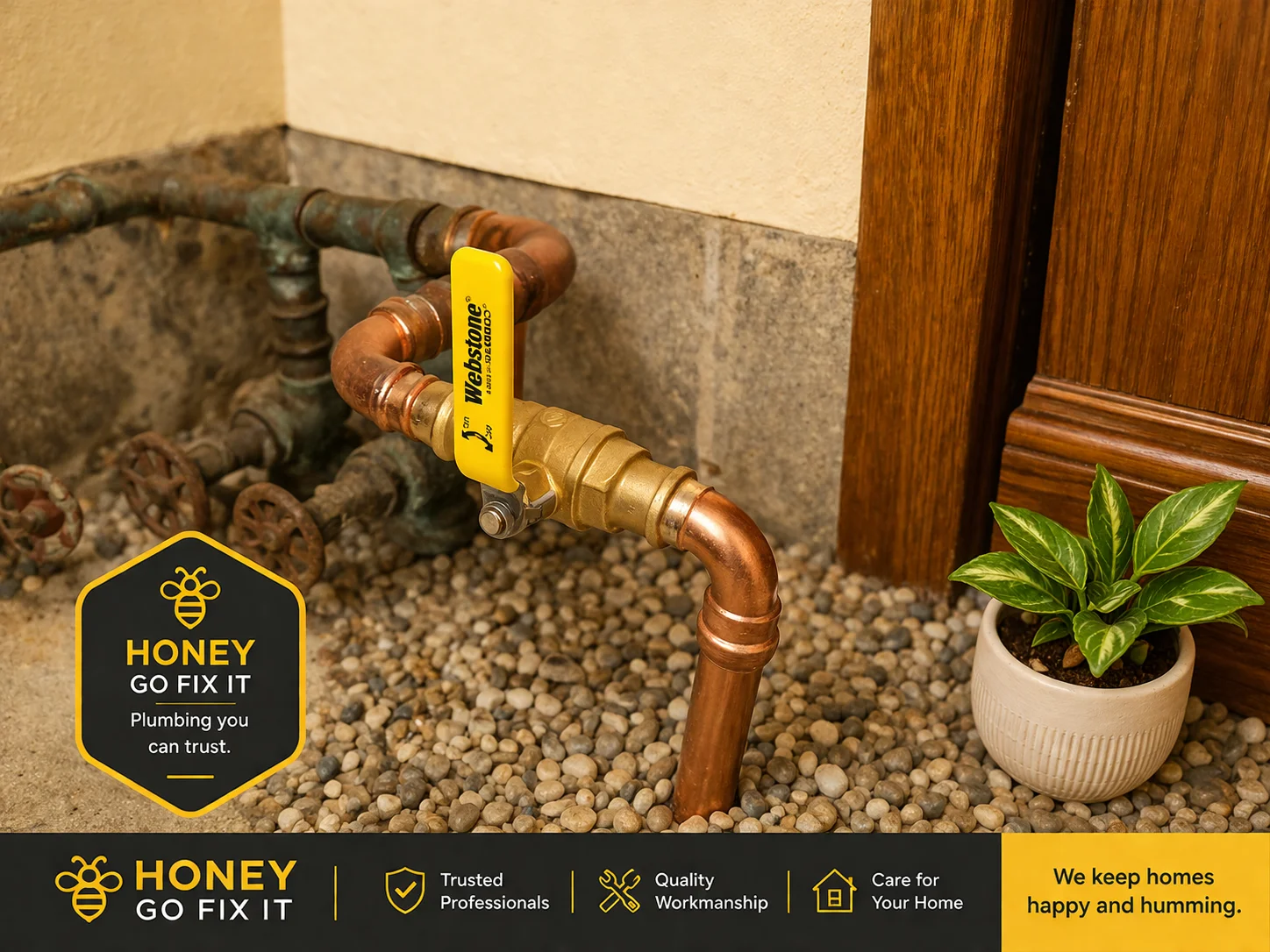
Many older homes were built with galvanized steel, older copper, or mixed plumbing materials from years of updates. Galvanized pipe is especially known for narrowing on the inside as corrosion builds up. From the outside, the pipe may look “fine enough.” Inside, the water pathway may be smaller than it should be.
That internal buildup can reduce water pressure, affect water quality, and put stress on the plumbing system. In some homes, one repaired section connects back into piping that is already weak. That is when homeowners end up in the frustrating cycle of fixing one problem, then calling again for another.
Dayton weather can also play a role. Cold winters, humid summers, hard water conditions, and older basements all create an environment where aging plumbing systems deserve a closer look.
Should older Dayton homeowners think about lead service lines?
Yes, especially if the home was built before 1986 or the service line material is unknown. Dayton’s treated drinking water is not the same thing as the private pipe bringing water into an older home. The City of Dayton has asked residents to help identify service line materials through its Know Your Pipes program because some older properties may still have lead service lines or unknown materials.
This does not mean every older Dayton home has lead pipes. It means pipe material matters. If your home has older plumbing, repeated water quality concerns, or an unknown service line, a plumber can help identify visible pipe materials and explain when replacement should be part of the conversation.
When is another plumbing repair still the right choice?
Another repair may make sense if the problem is isolated, the surrounding pipes are in good condition, and the rest of the home does not show signs of system-wide trouble.
Not every leak needs to become a repipe conversation. A single failed shutoff valve, loose connection, bad supply line, or damaged fixture pipe may be a straightforward repair.
A repair may be reasonable when:
- The leak is isolated to one fixture
- The surrounding pipe looks healthy
- Water pressure is normal throughout the home
- Water quality looks clear
- There is no history of repeated leaks
- The pipe material is still in good condition
- The repair area is easy to access
This is where honest diagnosis matters. The right fix should match the actual condition of the system, not just the symptom you noticed first.
 When does repiping make more sense than another repair?
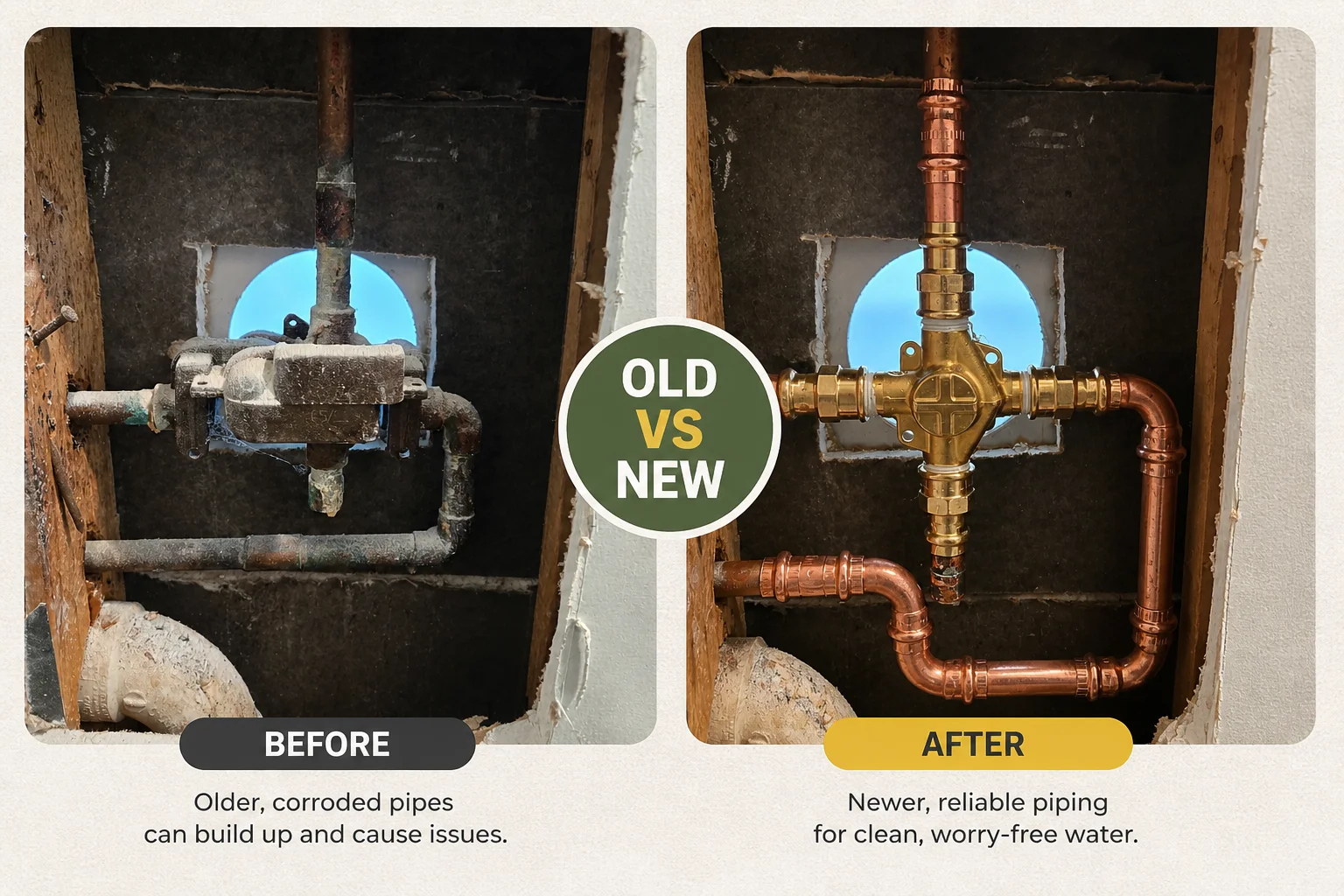
Repiping makes more sense when the piping system has repeated failures, widespread corrosion, poor pressure, or outdated material that will likely keep causing problems.
At some point, repeated repairs stop being the most cost-effective path. Even if each repair feels smaller than repiping, the stress, damage risk, service calls, drywall access, and disruption can add up quickly.
Repiping may be the better long-term option when:
- You have had more than one leak in a short period
- Repairs are happening in different parts of the home
- Your plumber finds widespread pipe corrosion
- Your water pressure keeps getting worse
- Your water looks rusty after sitting overnight
- Old galvanized piping still serves the home
- You are remodeling and walls or ceilings are already open
- You plan to stay in the home long-term
- You want fewer surprise plumbing problems
Think of it like this: a repair solves a specific failure. Repiping solves the pattern.
What is the expensive surprise if I keep patching old pipes?
The expensive surprise is that old pipes often fail at the worst time, and the water damage can cost more than the plumbing repair itself.
A small leak can damage drywall, flooring, cabinets, and personal belongings. Even a “minor” leak can become expensive once restoration gets involved.
There is also the stress of wondering which pipe will fail next. For the right home, repiping can create a calmer future and fewer surprise repairs.
What can I check before calling a plumber?
You can look for patterns in leaks, pressure, water color, and visible pipe condition before calling for a repiping evaluation.
Here are a few helpful checks:
1. Make a leak history list.
Write down where leaks have happened and when. If the problems are spreading around the home, that matters.
2. Compare water pressure at different fixtures.
Check the kitchen, bathroom sinks, shower, tub, and laundry. Low pressure in multiple places can point to restricted piping.
3. Look at exposed pipes.
In the basement, utility room, or crawl space, look for corrosion, green staining, rust, flaking, or old mixed materials.
4. Watch the water color.
If water looks brown, yellow, or rusty after sitting, old piping may be part of the problem.
5. Think about your next home project.
If you are planning a bathroom, kitchen, basement, or laundry remodel, that may be the right time to discuss pipe replacement while access is easier.
These checks will not replace a professional evaluation, but they help you explain what you are seeing and what has changed.
When should I call Honey Go Fix It?
Call Honey Go Fix It when your home has repeated leaks, poor pressure, aging pipes, rusty water, or you are tired of repairing the same system again and again.
A repiping conversation does not mean you are committing to the largest option. It simply means you are ready to understand the condition of your plumbing system.
At Honey Go Fix It, we look at the symptoms, the pipe material, the age of the system, the location of the failures, and your long-term plans for the home. Then we explain what makes sense. Sometimes the answer is a smaller repair. Sometimes the smarter answer is replacing a larger section so you can stop chasing leaks.
Either way, you should feel informed, not pressured.
When One Leak Became a Pattern
We recently helped a Xenia homeowner who had already repaired one leak and hoped the next issue would be the last one. When another section started showing signs of failure, the bigger picture became clearer. The issue was not just one bad spot. The home had aging piping that was starting to fail in stages. By talking through repiping instead of another short-term repair, the homeowner could make a planned decision instead of waiting for the next surprise leak.
FAQ: Repiping for Dayton Homeowners
What does repiping mean?
Repiping means replacing old or failing water supply pipes with new piping. It may include part of the home or the whole home, depending on the condition of the system and where the problem areas are.
How do I know if I need repiping or just a repair?
If the problem is isolated, a repair may be enough. If leaks, pressure issues, corrosion, or rusty water show up in multiple areas, repiping may be the better long-term fix. A plumber should inspect the system before making that recommendation.
Is repiping worth it for an older Dayton home?
Repiping can be worth it when the existing plumbing keeps failing or no longer supports the home well. It can improve water pressure, reduce leak risk, improve reliability, and support future remodeling plans.
Does repiping improve water pressure?
Yes, it can improve water pressure if old pipes are restricted, corroded, or undersized. If the pressure issue comes from a fixture, valve, water softener, or city supply issue, repiping may not be the answer. That is why diagnosis matters first.
How much does repiping cost in Dayton?
Repiping cost depends on the size of the home, number of fixtures, pipe access, material, wall or ceiling access, and how much of the system needs replaced. A small partial repipe costs less than a whole-home repipe. The best way to prepare is to schedule an evaluation and get clear options based on your actual home.
Will repiping tear up my whole house?
Not usually, but repiping may require access through walls, ceilings, basements, crawl spaces, or utility areas. A good plumber should explain where access is needed, what areas may be affected, and what finish work is not included before work begins.
Does Honey Go Fix It do drywall, paint, or finish repairs after repiping?
Honey Go Fix It focuses on plumbing work. If access openings are needed, drywall, paint, flooring, tile, and other finish repairs are typically not included unless specifically stated in the scope. We believe homeowners deserve clear expectations before the job starts.
Should I repipe before remodeling?
Yes, it is smart to discuss repiping before a kitchen, bathroom, laundry, or basement remodel if the home has older plumbing. Once walls, ceilings, or cabinets are finished, replacing hidden pipes can become more disruptive and expensive.
Can older Dayton homes have lead service lines?
Yes, some older Dayton homes may have lead service lines or unknown service line materials. Dayton has a Know Your Pipes program that helps residents identify the pipe that brings water into the home. If your home was built before 1986, or if you do not know what material your service line is made of, it is worth having that checked as part of a bigger plumbing conversation.
Ready to Stop Chasing the Next Leak?
If your Dayton-area home keeps having leaks, poor pressure, rusty water, or plumbing repairs that seem to move from one room to another, it may be time to look at the bigger picture.
Honey Go Fix It can help you understand whether another repair makes sense or whether repiping would give your home a more reliable future. We will explain what we see, answer your questions, and help you choose the right fix for your home.
Schedule a repiping evaluation with Honey Go Fix It today and give future-you a plumbing system you do not have to keep worrying about.
Honey Go Fix It provides residential plumbing services for homeowners in Dayton, Beavercreek, Centerville, Springboro, Xenia, and nearby suburbs.